
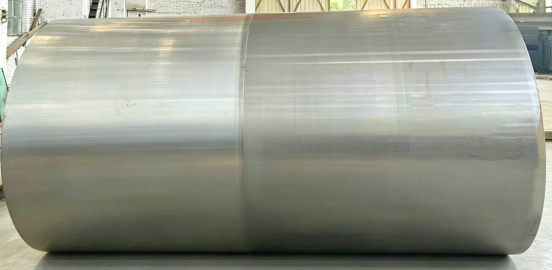
Large High-End Cylindrical Forging Successfully Developed and Delivered
Our company recently completed the development and on‑schedule delivery of a key large cylindrical forging for high‑end general machinery applications. The finished component – a critical pressure‑bearing part – weighs 45 tons per piece and features large outer dimensions with a thick wall structure. This milestone demonstrates the growing maturity of our large‑scale forging manufacturing […]
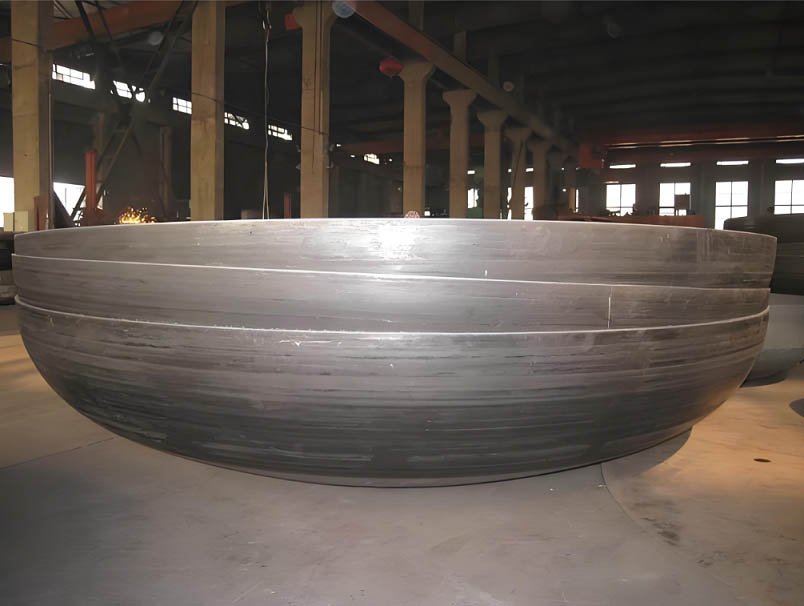
Forged vs Spun Pressure Vessel Heads: Which Should You Choose?
Introduction The decision of whether to use forged or spun (or formed) heads for pressure vessel design not only affects safety but also the service life and running costs in the long-term. Spun heads are generally considered as a cheaper alternative for the construction of vessels. But for the cases of high pressure, high temperature or cyclic loading […]
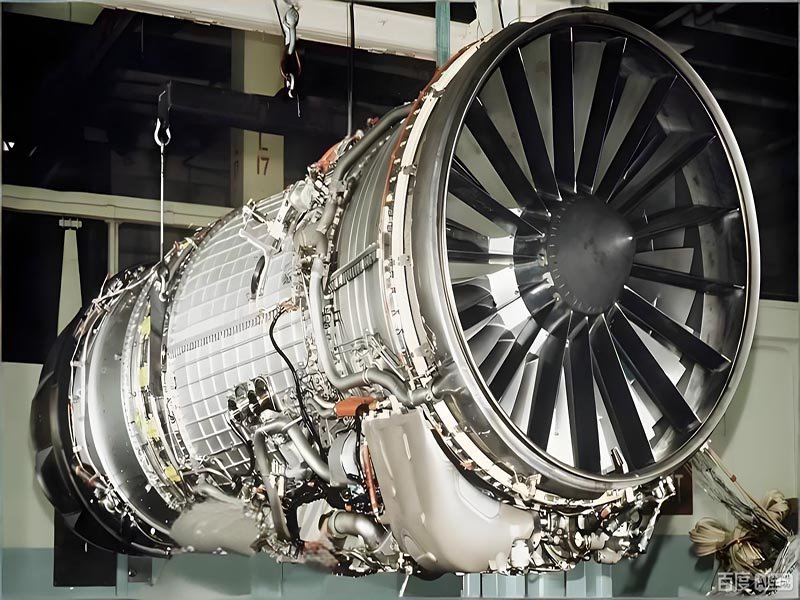
Aerospace Forging Companies: Materials, Markets & Parts Guide
Aerospace forging parts are critical components used in aircraft structures and engines. TIPTOP Heavy Forging supplies aerospace grade forgings with strict quality control, advanced processes, and reliable performance.
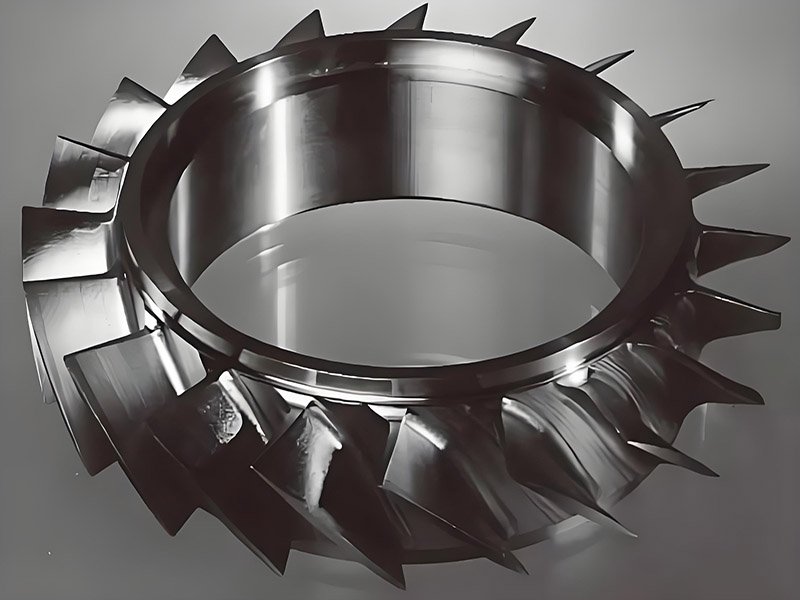
Aerospace Forgings for Critical Aircraft Parts
Aerospace forgings are widely used in critical aircraft components, but their real value lies in consistency rather than peak strength. This article explains how material behavior, process stability, and manufacturing approach influence performance in real applications.
👉 特点:
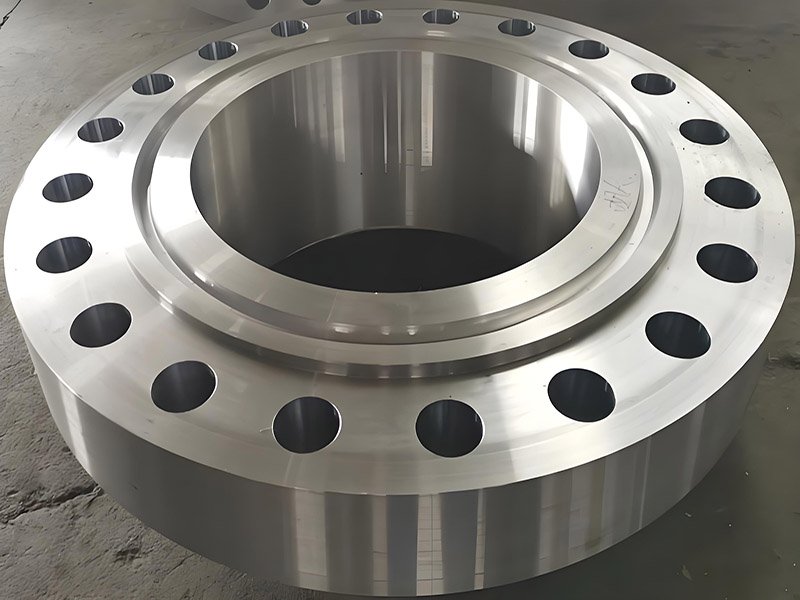
Forged Flanges for Industrial Piping Systems
In pipeline and pressure system design, forged flanges are widely used as reliable connection components. Compared with cast or fabricated flanges, forged flanges offer better structural consistency, which becomes important in high-pressure or high-temperature environments.
For many buyers, the focus is not just on price, but on long-term sealing performance and machining stability.
Flange Guide: Types, Sizes and Forged Flanges
Flanges are an indispensable element in industrial equipment and piping systems. Basically, they are the components that secure pipes, valves, pumps, and other machinery and yet allow them to be taken apart when necessary. Installation of flanges is quite simple and reliable which is why they are used in numerous industries: oil and gas, power, petrochemicals, water treatment, and many more.
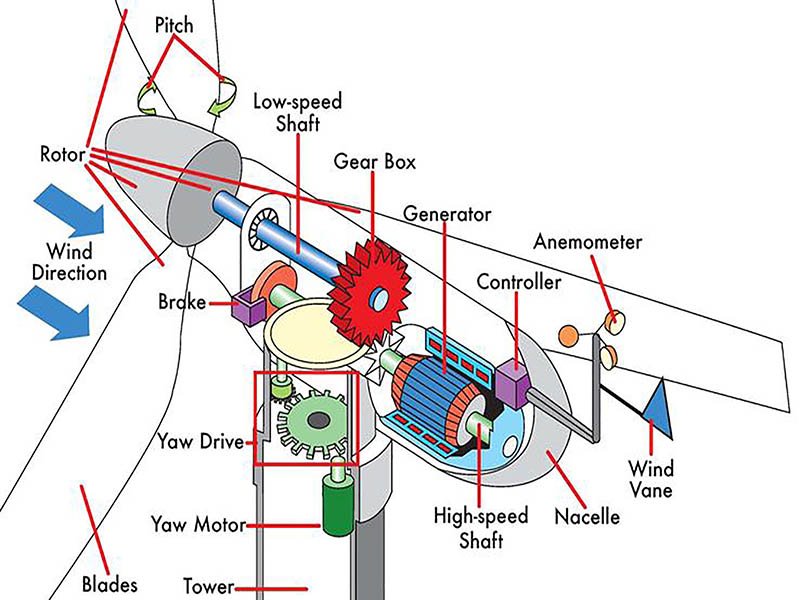
Shaft of a Wind Turbine: Structure, Materials and Forging
A wind turbine shaft is considered one of the main elements in the drive system of a modern wind power plant. It conveys mechanical energy produced by rotor blades to gearbox or generator. Considering that wind turbines work continuously being loaded and their shaft being exposed to different wind conditions, it should be able to resist great torsion forces and very long fatigue stresses.

Turbine Shaft Forging for Power Plants
The turbine shaft is a core rotating component in power generation systems. Whether used in wind, steam, gas, or hydro applications, turbine shafts must transmit torque continuously while maintaining dimensional stability under load.
TIPTOP Heavy Forging specializes in turbine shaft forging as large forged blanks and semi-finished components. We focus on structural integrity at the forging stage, providing the upstream foundation for downstream machining and final turbine assembly.
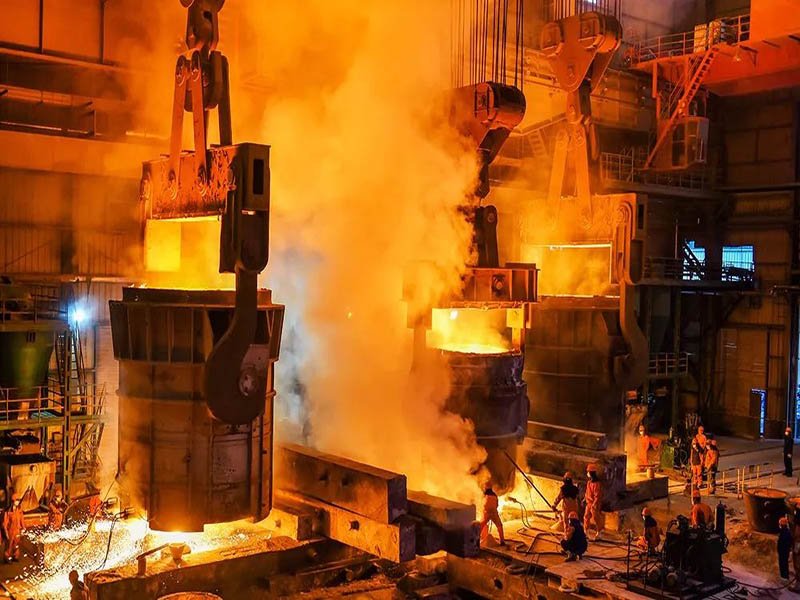
Custom Forge Services for Heavy Industrial Parts
In heavy industry, standard components are often not enough. Load conditions, dimensional limits and material performance requirements vary from project to project. That is where custom forge manufacturing becomes necessary.
At TIPTOP Heavy Forging, we focus on producing custom forgings for structural and mechanical applications where strength, internal soundness and long-term reliability matter more than appearance or volume output.
This article explains how custom metal forging works, when custom steel forging is the right solution, and what customers should expect from a custom forged parts manufacturer.
Hammer Forging Process: Industrial Equipment, Forging Hammer Types, and Reliable Manufacturing Solutions
The hammer forging process is an impact-based metal forming method widely used in heavy industry. By shaping heated steel through controlled blows, manufacturers can improve internal structure and mechanical strength compared with non-forged alternatives.