
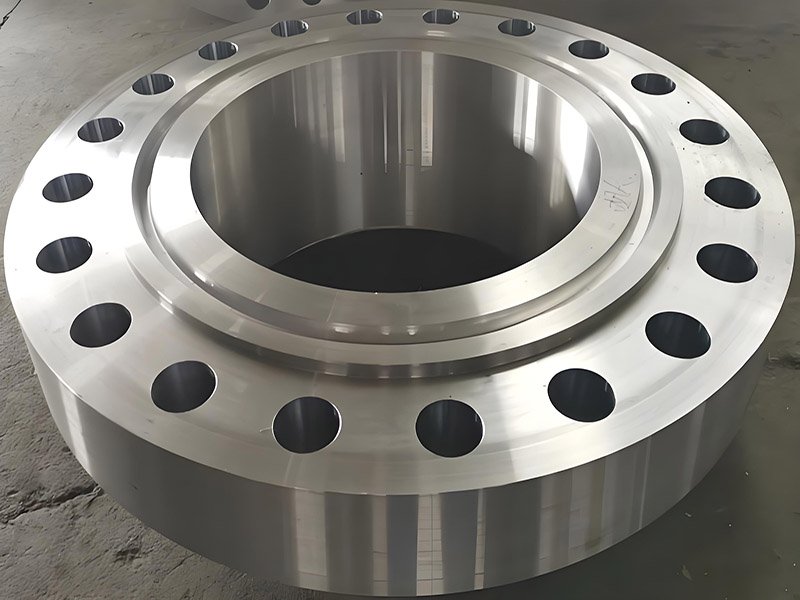
Flanges are an indispensable element in industrial equipment and piping systems. Basically, they are the components that secure pipes, valves, pumps, and other machinery and yet allow them to be taken apart when necessary. Installation of flanges is quite simple and reliable which is why they are used in numerous industries: oil and gas, power, petrochemicals, water treatment, and many more.
Forged flanges, among other types, are considered by many as the best choice for extremely tough working conditions since the forging process enhances the metal’s internal structure and its mechanical strength.
TIPTOP Forging and similar companies manufacture and globally distribute forged flange materials and semi-finished forged components to equipment makers.
Basics of a Flange and Flange Functioning in Piping
Some engineers may wonder: what exactly is a flange?
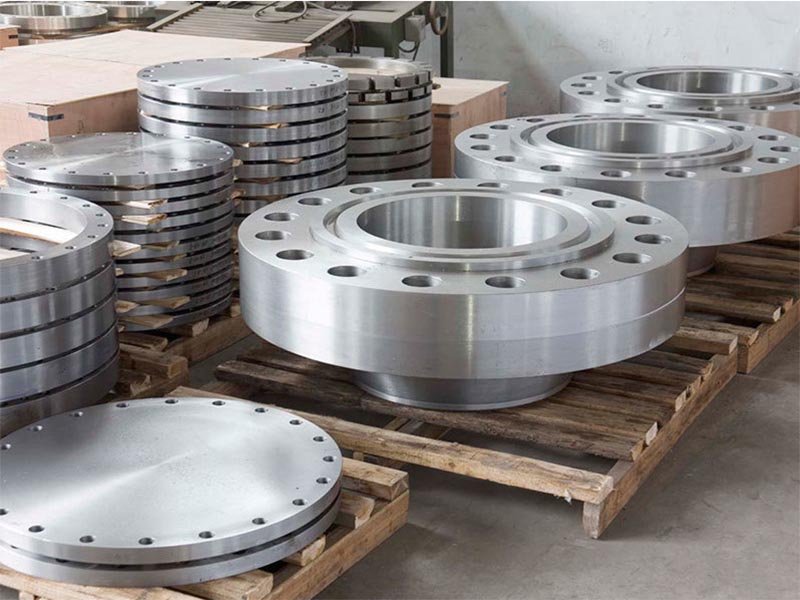
Simply put, it is a mechanical device that is employed to link pipes, valves, pumps, or other machinery. Most often, it is represented by a round plate with holes for bolts that make it possible to join two parts.
For sealing two flanges, a gasket is put in between them which, after the bolts are tightened, is compressed resulting in no leaks.
With this, a flange connection offers quite a few benefits:
mechanical fastening of parts great accessibility for breakdown, maintenance, or replacement
For this reason, flange connections have become the mainstream in piping for industries.
Common Flange Types and Usage of Forged Flanges in Industrial Equipment
Depending on the level of operation, some flanges types more than others are chosen for use.
Among forged flange options are:
- girth weld flange
- flange with slip-on connection
- closed flange
- flange with socket weld end
- joint flange
Since flanges made of cast materials may have weaknesses, using forged steel flange
is considered the safest option in very critical piping systems.
Forged flanges are suitable for use in situations involving high pressures and/or temperatures where the level of dependability cannot be compromised.
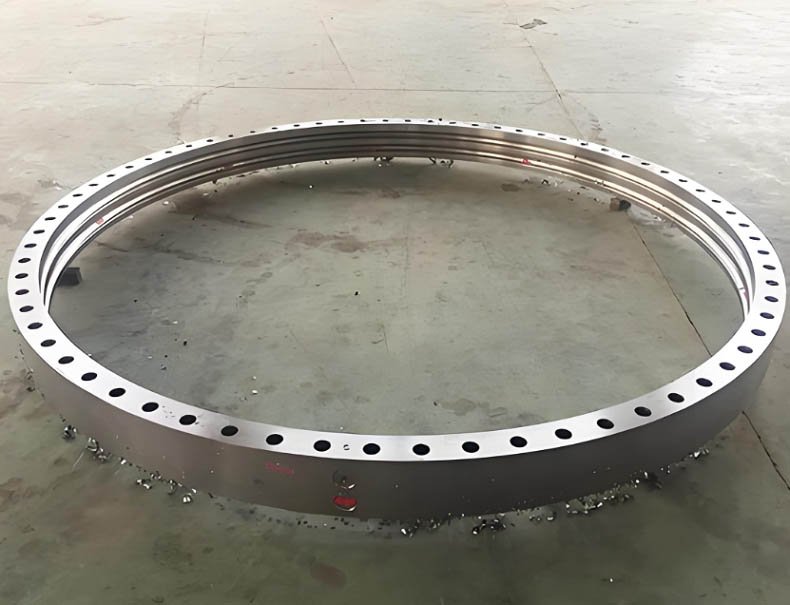
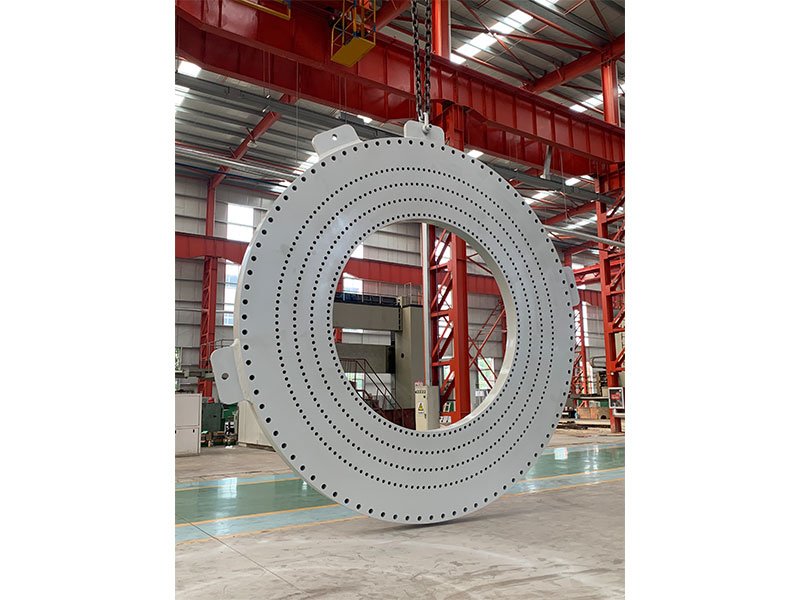
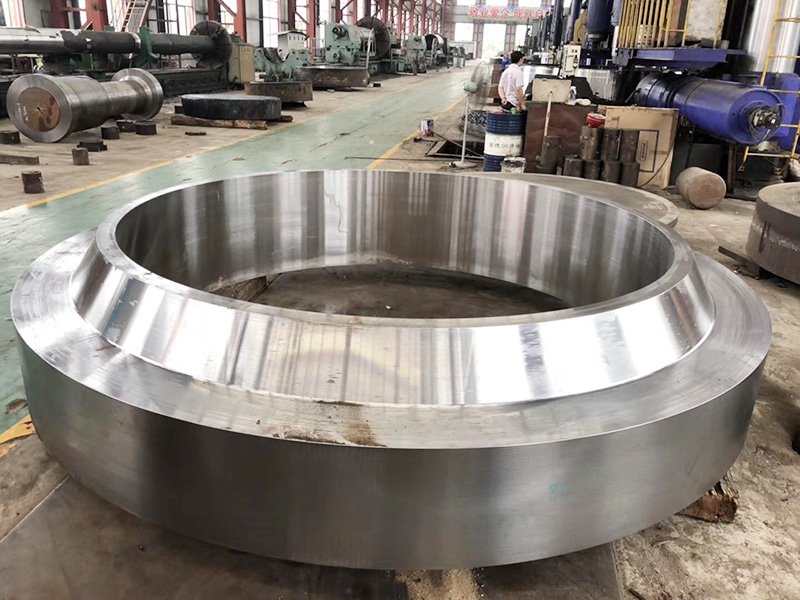
Flange Size Standards and How Flange Size Is Determined
In addition to many other deciding factors in selecting piping, one of the most important is flange size
The measurements of flanges have been typically standardized so that equipment produced by different manufacturers can be fitted together. Such standards dictate, among others, the following:
- nominal diameter of the pipe
- diameter of the bolt circle
- total number of bolt holes
- thickness of the flange
When undertaking large industrial projects, the specifying of flange size standards
often involves international standards such as ASME, ANSI, API, etc.
Proper flange sizing is a prerequisite for connections to withstand pressure and provide proper sealing all at once.
Forged Steel Flange and Forgings Steel Orifice Flanges
In specialized piping systems, certain flange designs serve additional functions.
For example, forgings steel orifice flanges are used in flow measurement systems. These flanges include pressure tap holes that allow instruments to measure the pressure difference across an orifice plate.
Like other forged steel flange products, these components benefit from the improved strength and reliability provided by the forging process.
Forged flanges are commonly used in industries such as oil and gas where piping systems must operate safely under demanding conditions.
China Carbon Steel Forged Flanges and Industrial Applications
Many industrial systems use china carbon steel forged flanges because carbon steel offers a good balance between strength, machinability, and cost.
Carbon steel forged flanges are commonly used in:
oil and gas pipelines
power plant piping systems
petrochemical facilities
water and industrial fluid transport
Because these systems often operate under pressure, forged flanges are preferred for their structural integrity and durability.


Choosing Forged Flanges Manufacturer and General Flange & Forge Capabilities
When selecting a forged flanges manufacturer, buyers usually consider several factors.
A reliable general flange & forge supplier typically offers:
stable raw material sourcing
forging equipment suitable for different flange sizes
machining capability for precision surfaces
inspection and quality control procedures
For projects involving critical piping systems, manufacturers prefer suppliers that can consistently deliver forged components meeting required standards.
Forged Flange Manufacturing at TIPTOP Forging
At TIPTOP Forging, forged flange production is part of a broader heavy forging manufacturing capability.
The company focuses on producing:
forged flanges
forged steel flange components
china carbon steel forged flanges for industrial systems
Production generally includes forging, heat treatment, and machining preparation to ensure the material meets mechanical and dimensional requirements.
In many cases, TIPTOP supplies forged blanks or semi-finished components that are further machined according to customer specifications.
Why Forged Flanges Remain Important in Modern Industry
Although piping technology continues to evolve, the flange remains one of the most reliable and practical connection methods.
The combination of strong mechanical fastening and easy maintenance makes flange systems suitable for a wide range of industrial applications.
For demanding environments, forged flanges provide additional strength and reliability, which is why they are widely used in energy, petrochemical, and heavy equipment industries.
Manufacturers like TIPTOP Forging support these industries by supplying forged flange materials and components that form part of modern piping infrastructure.