

The turbine shaft is a core rotating component in power generation systems. Whether used in wind, steam, gas, or hydro applications, turbine shafts must transmit torque continuously while maintaining dimensional stability under load.
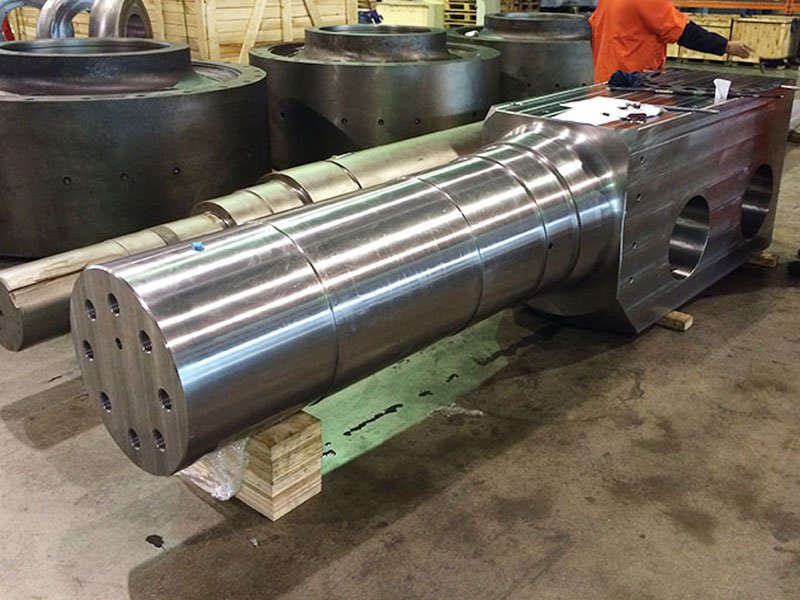
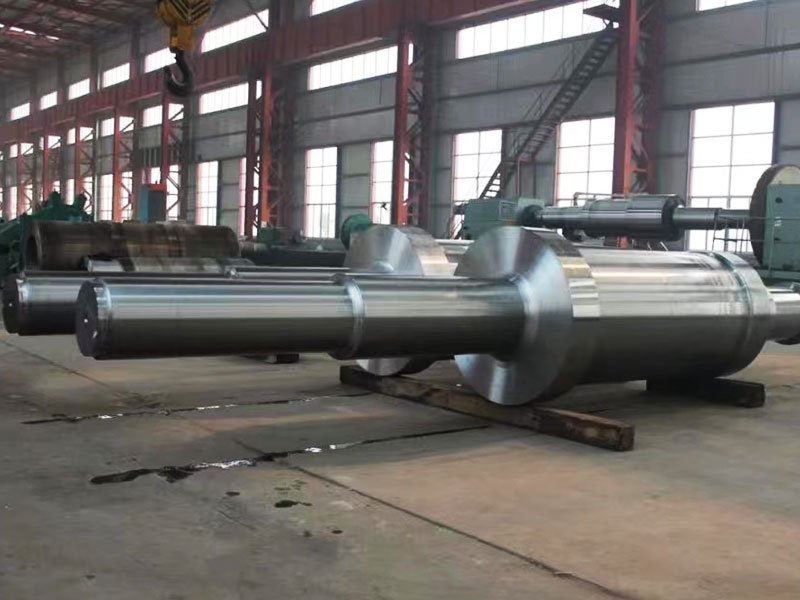
TIPTOP Heavy Forging specializes in turbine shaft forging as large forged blanks and semi-finished components. We focus on structural integrity at the forging stage, providing the upstream foundation for downstream machining and final turbine assembly.
Turbine Shaft Structural Requirements in Heavy-Duty Applications
A turbine shaft operates under torsion, bending stress, and cyclic fatigue. In large-scale systems, even minor internal defects can lead to vibration or premature wear.
For example:
- A wind turbine shaft carries high torque at relatively low speed.
- A gas turbine shaft rotates at high speed under elevated temperature.
- A turbine generator shaft must maintain concentricity to control vibration.
Because of these differences, turbine shafts are not standardized products. Material grade, diameter, forging ratio, and heat treatment must match the operating environment.
At TIPTOP Heavy Forging, production begins with ingot selection suitable for large cross-section deformation.
Turbine Shaft Forging Process in Heavy Forging Operations
Turbine shaft forging in heavy sections is typically performed using open-die forging presses. The goal is not simply shaping the material but refining internal grain structure and reducing segregation from the original ingot.
Our turbine shaft forging process includes:
- Ingot ultrasonic inspection before forging
- Controlled heating in large-capacity furnaces
- Progressive deformation to achieve sufficient forging ratio
- Heat treatment according to specified grade
- Rough machining if required
For forged wind turbine shaft applications and other large-diameter shafts, deformation control is critical to ensure internal soundness along the full length.
TIPTOP Heavy Forging supplies turbine shaft blanks ready for final machining by OEM manufacturers.
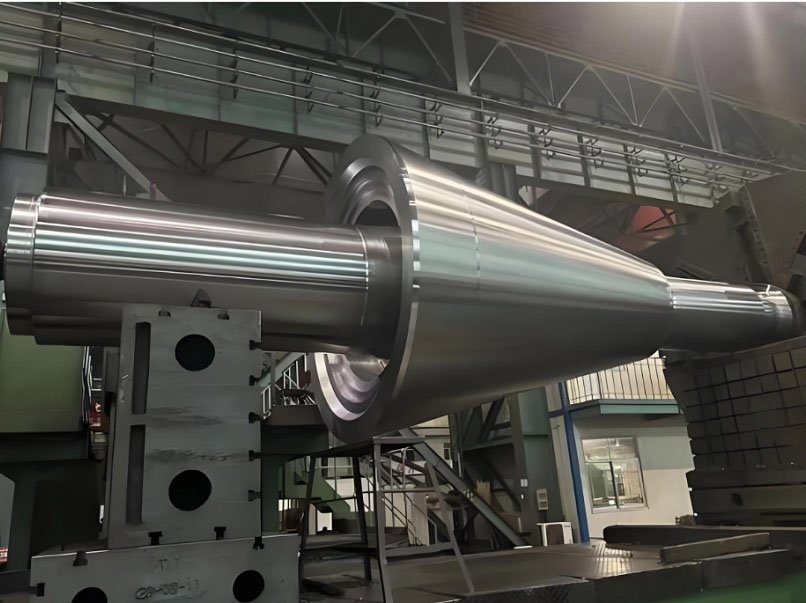
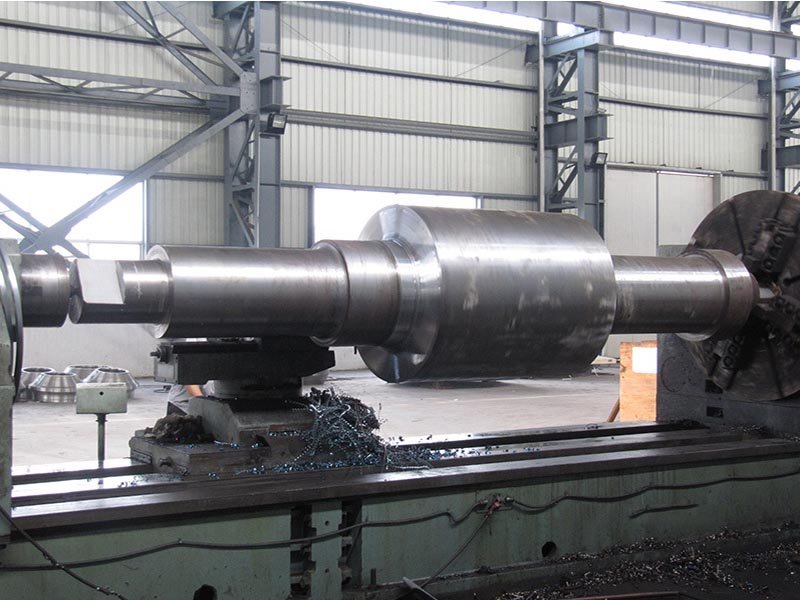
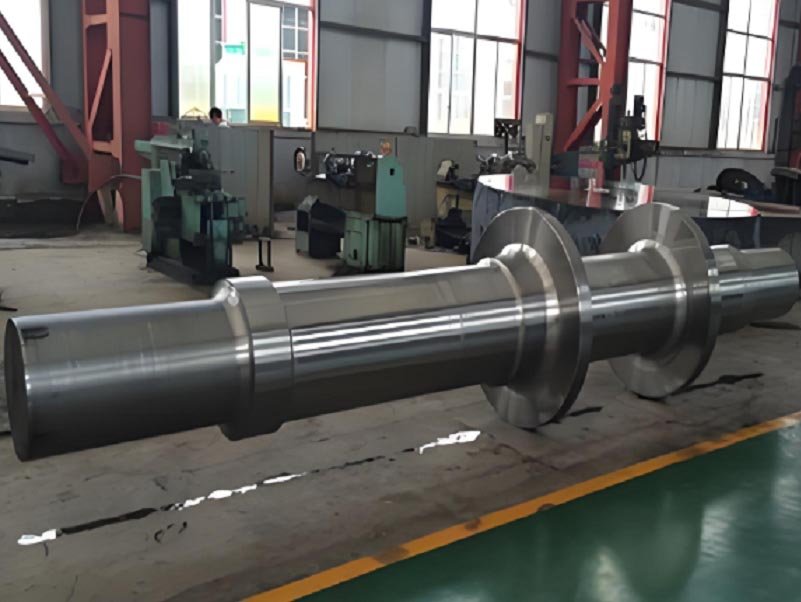
Wind Turbine Shaft and Main Shaft for Wind Turbine Systems
In renewable energy projects, the main shaft for wind turbine systems is subjected to fluctuating loads over long operating cycles.
Forged wind turbine shaft components must meet:
- Internal ultrasonic testing standards
- Straightness control over long lengths
- Adequate impact toughness
- Machining allowance for bearing seats
Because wind turbine shafts are often large and heavy, forging stability is more important than production speed. At TIPTOP Heavy Forging, we prioritize controlled deformation over rapid throughput.
Gas Turbine Shaft and Turbine Generator Shaft Forging Requirements
A gas turbine shaft typically operates at higher speeds and temperatures than a wind turbine shaft. This requires attention to both material cleanliness and heat treatment precision.
Similarly, a turbine generator shaft must maintain strict concentricity to reduce vibration during power generation.
In these applications, turbine shaft forging must ensure:
- Uniform mechanical properties
- Minimal internal discontinuities
- Stable dimensional behavior during machining
TIPTOP Heavy Forging supplies semi-finished turbine shafts for gas and steam systems, allowing OEMs to complete final balancing and finishing operations.
Turbine Shaft Seal and Shaft Seal Hydro Turbine Interfaces
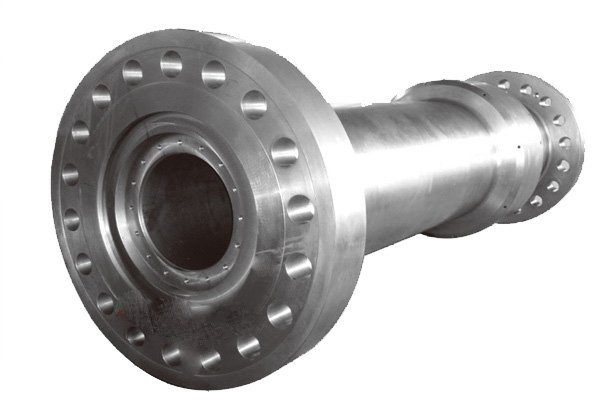
For hydro systems, shaft seal hydro turbine interfaces are critical areas. The turbine shaft seal section requires stable surface condition and accurate geometry to prevent leakage.
Although final sealing surfaces are machined by the equipment manufacturer, the forging beneath must be free from subsurface defects. Internal discontinuities can compromise long-term sealing performance.
Our turbine shafts are forged with sufficient machining allowance to allow customers to complete precision finishing in seal zones.
Quality Control in Turbine Shafts Heavy Forging Production
Because turbine shafts are large safety-critical components, inspection standards are typically strict.
Quality control at TIPTOP Heavy Forging includes:
- Chemical composition verification
- Ultrasonic testing after forging
- Mechanical property testing
- Dimensional inspection after rough machining
Documentation can be provided according to project requirements. Our focus is to ensure that each turbine shaft forging meets structural expectations before it leaves our facility.
Turbine Shaft Manufacturing as a Heavy Forging Capability
Producing large turbine shafts requires heavy forging capacity, controlled heating systems, and experience with long-length deformation.
TIPTOP Heavy Forging operates as an upstream manufacturer of turbine shaft forging products, including:
- Wind turbine shaft
- Forged wind turbine shaft blanks
- Main shaft for wind turbine
- Gas turbine shaft
- Turbine generator shaft
We supply raw and semi-finished forged components rather than complete turbine assemblies. Our role is to provide the structural foundation that supports long-term operational reliability.
If you are sourcing turbine shafts for further machining or integration into power generation systems, we can review technical drawings and discuss feasible forging routes based on size, weight, and material grade.