
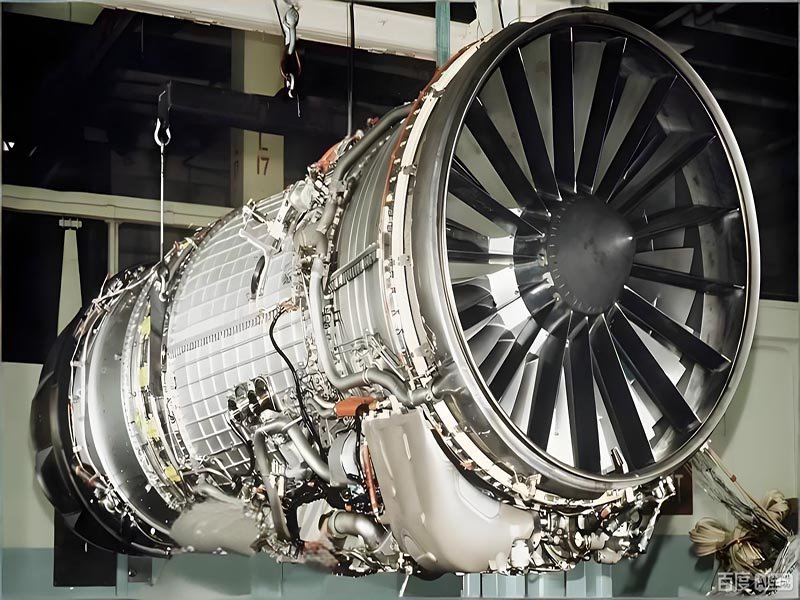
What Aerospace Forging Companies Actually Deliver in Modern Aviation
When people look for aerospace forging companies or aerospace forging suppliers, apart from the manufacturers, they are actually seeking partners who can produce safety-critical components with quality that is maintained consistently.
In aviation, a forging is a manufacturing method aimed at producing parts with very high strength. These parts have to be capable of handling very heavy loads, temperature changes, and even material fatigue after being in use for very long periods of time. By using forging processes, Forge Aerospace is able to alter the grain structure and significantly improve the properties and reliability of the material.
Industry common:
· Aircraft landing gear components
· Engine shafts, discs
· Structural connectors, rings
Such parts are not off the shelf parts; each needs thorough monitoring of the material, process, and inspection.
Aerospace Forging Market Trends and Demand Drivers
The aerospace forging market is expanding owing to a rise in aircraft manufacturing, replacement of aging fleets, and the need for lighter yet strong and efficient materials.
Growth of Aerospace Metal Forgings Market
The metal steel forgings in aerospace market is driven by:
· Increased demand for global air travel
· More of commercial and defense aircraft programs
· Environmental aspects of fuel efficiency and emission reduction
Compared to other methods, forging results in components with improved strength, which is a very critical factor.
Aerospace Cold Forging Market Expansion
The cold forging market for aviation and cold forged aerospace products market respectively are garnering a lot of interest due to the combination of high quality CAD dimensional accuracies and minimized material wastage. Cold forming is extremely effective for smaller components that require a high degree of dimensional precision.
Aerospace Closed Die Forgings Market Importance
The Closed Die Forging Market for aerospace remains the market leader for value-added complex forging components capable of withstanding high loads. Closed-die forging is the only way to ensure production that is not only able to meet aerospace standards in terms of product repeatability but also where tolerances are so tight, making it the standard method for aerospace applications.
Aerospace Forging Materials Market and Material Selection Logic
The market for aerospace metals for forging is driven largely by the demand for materials to withstand extreme environments while also helping to reduce the weight of the aircraft.
Common Aerospace Grade Forgings Materials
· Titanium alloys are highly durable and resistant to corrosion
· Nickel-based alloys withstand high temperatures
· Alloy steels offer both great strength and resistance to fatigue
· Aluminum alloys are lightweight and easy to handle
The property of the material determines the areas of application within the aircraft. So for example, titanium is extensively used where components take a great deal of load whereas aluminum is used wherever weight reduction is important.
Why Material Selection Matters
Production of aerospace grade forgings
that is appropriate not only meets the requirements but also impacts:
· Service time of a component
· Maintenance operations
· Safety of the aircraft
Aerospace Forging Parts and Their Functional Roles
Knowing what aerospace forging parts are, is very important for us to understand the role that forging plays in the manufacture of aircraft parts.
Structural Forged Components
Elements such as frames, brackets, and connectors that undergo constant and strong mechanical loading, are the ones in question here.
Engine Forged Parts
Turbine discs and shafts are major components of a jet engine. They are built using metals of very high mechanical strength and temperature resistance.
Precision Aerospace Part Forging
Dimensional accuracy in aerospace part forging is the utmost priority. Even minuscule deviations can lead to problems in assembly and affect the overall performance.
Different sets of forging methods and standards for quality control go hand in hand with every product category.

Aerospace Cold Forging Steel Parts: Where Precision Meets Efficiency
The use of aerospace cold forging steel parts is increasing in applications where:
- High dimensional accuracy is required
- Surface finish must be consistent
- Post-processing needs to be minimized
Cold forging reduces machining requirements, which helps improve efficiency and reduce material waste. However, it is typically limited to smaller components compared to hot forging.
Aerospace Metal Suppliers for Forgings: What Buyers Should Evaluate
Choosing among aerospace metal suppliers for forgings requires careful evaluation beyond basic capabilities.
Key Factors
- Material traceability and certification
- Forging process control (open die, closed die, cold forging)
- Heat treatment and inspection capabilities
- Experience with aerospace standards and requirements
A reliable supplier ensures consistency across production batches, which is essential for long-term contracts.
TIPTOP Heavy Forging: Practical Solutions for Aerospace Forging Parts
TIPTOP Heavy Forging provides engineered solutions for aerospace forging parts, focusing on performance, reliability, and process control.
The company’s capabilities include:
- Manufacturing large and complex aerospace grade forgings using controlled forging processes
- Supporting both open-die and aerospace closed die forgings requirements
- Strict material selection aligned with aerospace standards
- Advanced heat treatment and inspection procedures
Rather than offering generic products, TIPTOP emphasizes matching forging processes with component requirements, ensuring that each part performs reliably in real aerospace conditions.
How to Choose the Right Aerospace Forging Supplier
Selecting the right aerospace forging companies involves balancing technical capability with supply reliability.
Process Capability
Ensure the supplier can handle required forging types, including cold forging and closed-die forging.
Quality Assurance
Look for proven inspection systems and certification compliance.
Application Experience
Suppliers with aerospace project experience are better equipped to handle complex requirements.
Long-Term Reliability
Consistency in delivery and quality is critical for aerospace programs with long lifecycles.
Why Forged Components Remain Essential in Aerospace
Despite advances in manufacturing technologies, forged components in aerospace remain widely used because they provide:
- Superior mechanical strength
- Enhanced fatigue resistance
- Reliable performance under extreme conditions
- Consistent quality for safety-critical applications
For aerospace engineers and procurement teams, forging is not just a manufacturing method—it is a proven solution for ensuring safety and performance.