
A hammer forge is one of the most traditional yet highly effective metal forming methods in modern forging production. From drop hammer forging to advanced hydraulic forging hammer systems, hammer forge technology remains widely used in heavy industry, oil & gas, power generation, and machinery manufacturing.
This article explains how hammer forge equipment works, the differences between forging hammer types, and how TIP TOP Forging applies power hammer forging technology in real industrial production.
Hammer Forge Process Overview and Power Hammer Forging Fundamentals
The hammer forge process shapes heated metal using repeated high-energy impacts delivered by a forging hammer machine. Unlike press forging, which applies continuous pressure, hammer forging relies on dynamic impact force to deform the material.
In power hammer forging, the ram is accelerated mechanically, pneumatically, or hydraulically before striking the workpiece. The high strain rate improves grain flow and refines microstructure, especially in alloy steel components.
At TIP TOP Forging, hammer forging is used for components that require:
- Directional grain flow
- High impact resistance
- Improved fatigue strength
- Structural integrity under cyclic loads
Hammer Forge Equipment: Forging Hammer Machine and Power Hammer Forge Systems
Modern hammer forge production depends heavily on equipment configuration. Common systems include:
- Mechanical power hammer forge
- Pneumatic forging hammer machine
- Hydraulic forging hammer
- Drop hammer forging systems
A forge power hammer converts stored energy into impact force, delivering controlled deformation in multiple strokes. The choice of equipment depends on:
- Part size
- Required deformation depth
- Material grade
- Production volume
TIP TOP Forging operates multiple hammer forge machines with stable energy control and repeatable stroke performance to ensure consistent hammer forgings quality.
Hammer Forge vs Press Forging: When Hammer Forging Is Preferred
In industrial applications, customers often compare hammer forge vs press forging.
A hammer forge is typically preferred when:
- Producing complex shapes requiring directional grain refinement
- Manufacturing medium-sized components
- Requiring high strain rate deformation
- Lower tooling investment is desired
Press forging, by contrast, provides slower, deeper deformation and may be more suitable for very large cross-sections.
TIP TOP evaluates each project individually to determine whether hammer forging or press forging is more appropriate based on part geometry and service requirements.
Hammer Forge Applications in Drop Hammer Forging and Heavy Components
Drop hammer forging is a widely used hammer forge method where the hammer is lifted and dropped onto the workpiece.
Typical hammer forge applications include:
- Flanges and rings
- Shafts and axles
- Oilfield components
- Gear blanks
- Structural steel parts
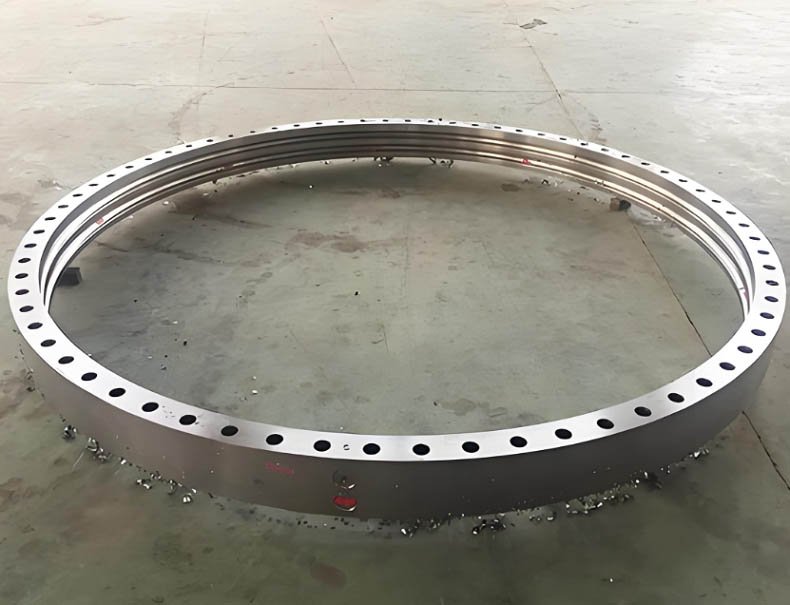
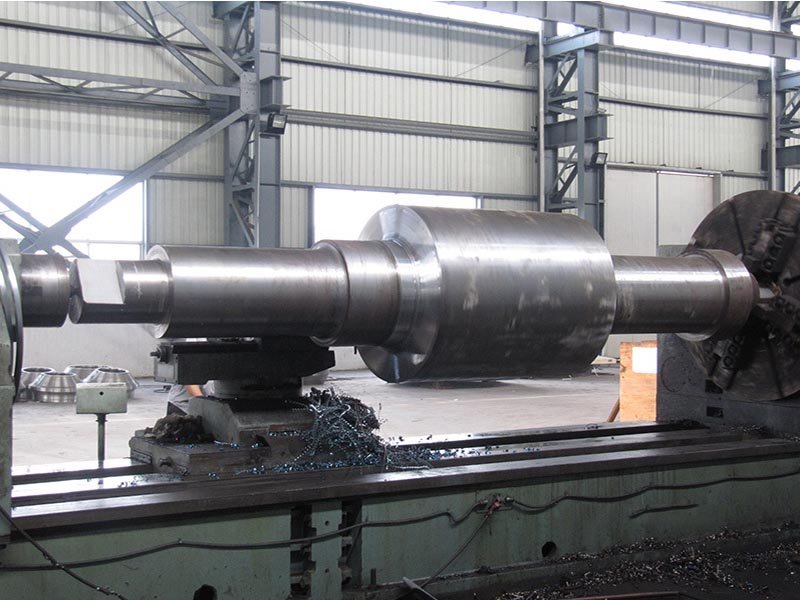
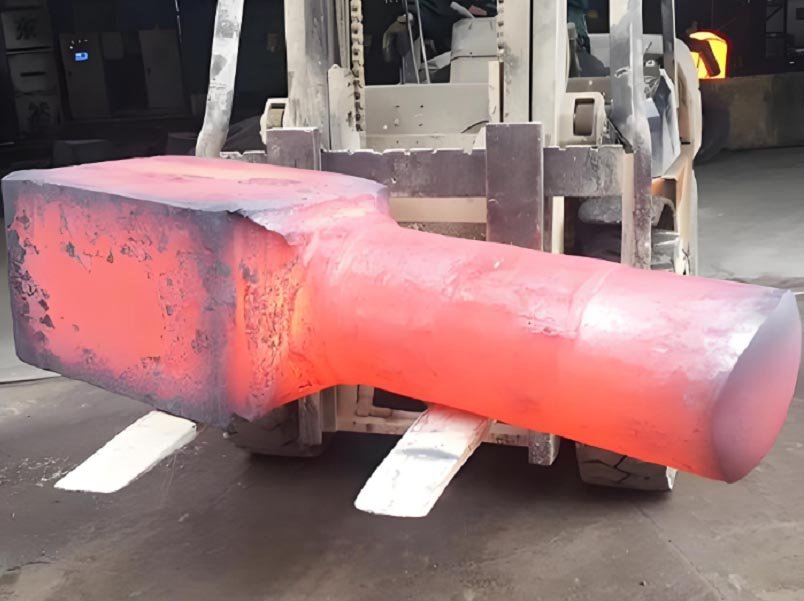
Hammer forged components benefit from improved internal density and reduced porosity compared to cast parts.
At TIP TOP Forging, drop hammer forging is used for alloy steel and carbon steel parts requiring mechanical strength and reliability.
Hammer Forge Microstructure Control and Hammer Forged Steel Properties
One technical advantage of the hammer forge process is microstructure refinement.
During hammer forging:
- Rapid impact improves grain flow alignment
- Repeated strikes reduce internal voids
- Material density increases
- Mechanical properties become more uniform
Proper heating control and forging sequence are essential. Overheating or excessive impact can negatively affect material performance.
TIP TOP follows controlled temperature ranges and deformation sequences to ensure hammer forged components meet mechanical property expectations without overstressing the material.
Hammer Forge Machine Selection and Forging Hammer Types
Different forging hammer types serve different production needs:
- Mechanical hammer for forging
- Pneumatic hammer for forging
- Hydraulic forging hammer
- Power hammer forging systems
Selection criteria include:
- Blow energy (kJ rating)
- Stroke frequency
- Material type
- Dimensional tolerance requirements
A properly selected hammer forge machine ensures both dimensional control and production efficiency.
TIP TOP maintains forging hammer machines suited for medium-sized industrial components rather than ultra-heavy cast alternatives, focusing on stable repeatability.
Hammer Forge Production Workflow at TIP TOP Forging
At TIP TOP Forging, the hammer forge production workflow typically includes:
- Raw material inspection
- Controlled heating in forging furnace
- Power hammer forge forming
- Trimming and flash removal
- Heat treatment (if required)
- Machining and dimensional finishing
- Final inspection
We focus on stable process control rather than mass-volume claims. Each hammer forgings batch is monitored for dimensional tolerance and surface condition.
Hammer Forge Quality Control and Inspection of Hammer Forgings
Reliable hammer forge production requires inspection procedures such as:
- Visual inspection
- Dimensional measurement
- Ultrasonic testing (if required)
- Hardness testing
- Material composition verification
Hammer forging can improve internal density, but inspection ensures no internal defects remain.
TIP TOP applies inspection standards according to customer specifications and applicable industry standards.
Hammer Forge Capabilities of TIP TOP Forging
As a manufacturing-oriented company, TIP TOP Forging provides:
- Power hammer forging production
- Drop hammer forging services
- Hydraulic forging hammer processing
- Custom hammer forged components
- Medium-batch industrial forging solutions
We do not position ourselves as the largest forge, but as a technically focused supplier capable of stable hammer forge production for industrial applications.
Our team works closely with customers to review drawings, material requirements, and forging feasibility before production begins.
Hammer Forge Solutions for Industrial Manufacturing Projects
If you are sourcing hammer forge components, power hammer forged parts, or require technical support regarding forging hammer machine capabilities, TIP TOP Forging can assist with:
- Material selection guidance
- Forging method evaluation
- Equipment capability confirmation
- Production lead time planning
Hammer forging remains a reliable and efficient forming method when properly executed.
Contact TIP TOP Forging to discuss your hammer forge project requirements and technical specifications.