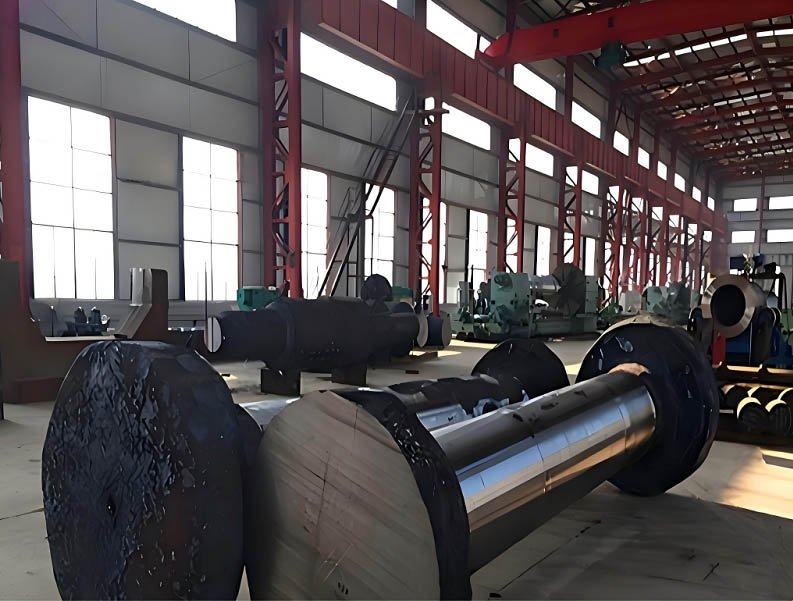
45# Hydraulic Turbine Main Shaft Forgings
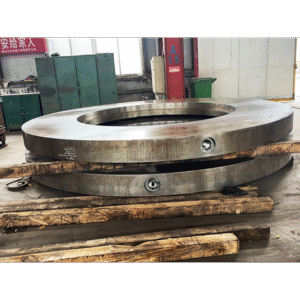
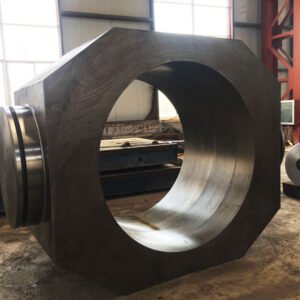
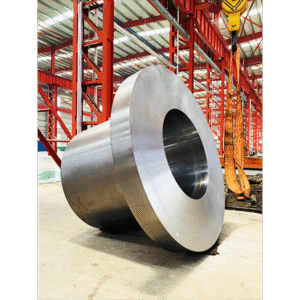
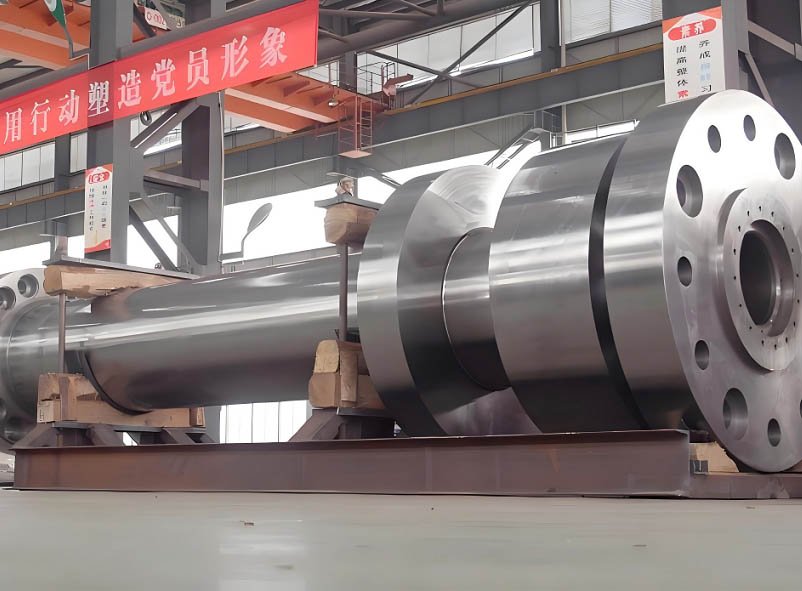
45#Hydraulic Turbine Main Shaft Forgings are the key components that bear the load and transmit the torque in hydro-generator units. As the main rotating parts of the hydraulic turbine systems, the turbine main shaft serves to connect the runner with the generator rotor thus ensuring a continuous transmission of the mechanical energy produced by the water flow.
Description
High-Strength Turbine Shaft Forging for Reliable Hydro Power Transmission
45#Hydraulic Turbine Main Shaft Forgings are the key components that bear the load and transmit the torque in hydro-generator units. As the main rotating parts of the hydraulic turbine systems, the turbine main shaft serves to connect the runner with the generator rotor thus ensuring a continuous transmission of the mechanical energy produced by the water flow.
In hydroelectric power plants, the turbine shaft forging has an immediate effect on operational safety, efficiency, and service life. Not only does an accurately produced turbine main shaft accommodate the heavy rotating loads, but it also resists the axial hydraulic thrust and the long-term cyclic stress of variable operating conditions.
We produce 45# hydraulic turbine main shaft forgings for medium and large hydropower units. Through controlling dimensions strictly and using the advanced forging techniques, our products are suitable for the modern requirements of hydro turbine shaft alignment and system stability.
Function and Structural Design of the Turbine Main Shaft
The turbine main shaft serves as the primary transmission component in hydro-generator assemblies. Its main functions include:
- Transmitting torque from the hydraulic runner to the generator rotor
- Supporting the combined weight of the runner and rotor
- Bearing axial water thrust generated during operation
- Maintaining rotational stability under high-load conditions
Depending on the plant layout and turbine configuration, turbine main shafts are typically classified into:
- Vertical shaft type– commonly used in large hydroelectric stations
- Horizontal shaft type– suitable for small and medium units
- Inclined shaft type– applied in specific engineering environments
Large hydro units often adopt a three-section structural configuration consisting of an upper shaft, rotor center body, and lower shaft. This modular structure facilitates transportation, installation, and hydro turbine shaft alignment during commissioning.
To ensure operational precision:
- Flange stop diameter tolerance is controlled within 013 mm
- Perpendicularity of flange outer surfaces to shaft centerline is maintained within 01 mm
- Parallelism and runout tolerances strictly comply with relevant engineering standards
Such precision machining significantly improves alignment accuracy, reduces vibration, and extends bearing service life.
45# Steel Material Properties for Hydraulic Turbine Components
45# steel (equivalent to medium carbon structural steel) is widely used in hydraulic turbine components due to its balanced mechanical properties.
Key Advantages of 45# Steel in Turbine Shaft Forging
- Good strength and toughness combination
- Excellent machinability after heat treatment
- Stable performance under dynamic loads
- Cost-effective solution for medium and large units
In addition to 45# steel, alternative materials may include:
- 35# carbon steel
- 40# carbon steel
- 20MnSi alloy structural steel
- A668 alloy steel (for high-load applications)
Material selection is determined by unit capacity, rotational speed, and operational load requirements. For higher stress conditions, alloy steel grades may be specified to improve fatigue resistance and microstructure uniformity.
Advanced Forging and Manufacturing Process
Heavy-Duty Turbine Shaft Forging Process
Our Hydraulic Turbine Main Shaft Forgings are produced through controlled open-die forging processes to ensure internal soundness and mechanical reliability. The forging process includes:
- Raw material inspection and ultrasonic testing
- Controlled heating and deformation forging
- Rough machining and stress relief heat treatment
- Precision machining of flanges and keyways
- Final dimensional inspection and non-destructive testing
For large and medium-sized turbine main shafts, hollow structures are often adopted to reduce weight while maintaining strength. These structures may be manufactured using:
- Forged hollow shafts
- Rolled steel plate forming combined with electroslag welding
- Forged flanges integrated with shaft body
Small-capacity turbine main shafts can be manufactured using welding and heat treatment processes, depending on design specifications.
Heat Treatment Optimization
For A668 steel and other alloy turbine shaft forgings, optimized quenching and tempering processes improve:
- Microstructure uniformity
- Core strength consistency
- Fatigue resistance
- Long-term dimensional stability
Numerical simulation techniques can be applied to optimize temperature distribution and cooling rates during heat treatment, ensuring predictable metallurgical performance.
Precision Machining and Hydro Turbine Shaft Alignment
Accurate hydro turbine shaft alignment is essential for smooth operation and reduced vibration. Improper alignment can cause:
- Bearing overheating
- Excessive shaft deflection
- Increased mechanical wear
- Premature system failure
To support alignment accuracy, our turbine main shaft forgings are machined with:
- Strict control of concentricity
- Accurate flange perpendicularity
- Controlled keyway dimensions (e.g., 140 mm wide key connection for rigid runner engagement)
- Verified dynamic balance performance
Each shaft undergoes comprehensive inspection procedures to ensure geometric tolerances meet project requirements.
Sealing System Integration and Operational Safety
The turbine main shaft sealing system plays a critical protective role in hydraulic units. It forms a non-contact air seal using a pump plate device to prevent pressurized water leakage into bearing chambers.
Failure of the sealing system may result in serious operational issues, including:
- Water-flooded bearings
- Lubrication contamination
- Forced shutdowns
- Long-term equipment damage
Therefore, dimensional precision and surface finish of the shaft in sealing areas are strictly controlled to ensure compatibility with sealing assemblies.
Applications in Hydropower Projects
Our 45# Hydraulic Turbine Main Shaft Forgings are widely used in:
- Medium and large hydroelectric power plants
- Refurbishment and retrofitting projects
- Replacement turbine shaft forging for aging units
- Customized hydraulic turbine components manufacturing
With the increasing demand for renewable energy, durable and precision-engineered turbine main shafts are essential for improving operational efficiency and minimizing maintenance downtime.
Quality Control and Inspection Standards
To ensure long service life and operational reliability, each turbine shaft forging is subjected to:
- Ultrasonic testing (UT)
- Magnetic particle inspection (MT)
- Mechanical property testing
- Dimensional measurement reports
- Heat treatment certification
All inspection procedures are documented to provide full traceability for power plant operators and EPC contractors.
Customization Capabilities for Turbine Main Shaft Forgings
We provide customized manufacturing solutions based on:
- Unit capacity and rotational speed
- Installation configuration (vertical or horizontal)
- Flange design specifications
- Project-specific alignment requirements
- Export packaging and transportation constraints
Our engineering team works closely with clients to optimize structural design, material selection, and manufacturing processes to ensure performance and cost efficiency.
Why Choose Our 45# Hydraulic Turbine Main Shaft Forgings
- Proven forging process for heavy-duty applications
- Strict dimensional and geometric tolerance control
- Reliable material sourcing and heat treatment capability
- Experience in hydraulic turbine components manufacturing
- Technical support for hydro turbine shaft alignment and installation
A high-quality turbine main shaft is not just a rotating component—it is the backbone of hydroelectric power transmission. Selecting the right turbine shaft forging ensures long-term operational safety, improved efficiency, and reduced lifecycle costs.
If you are sourcing dependable Hydraulic Turbine Main Shaft Forgings for your hydropower project, we can provide technical consultation and tailored manufacturing solutions based on your specific operational requirements.