
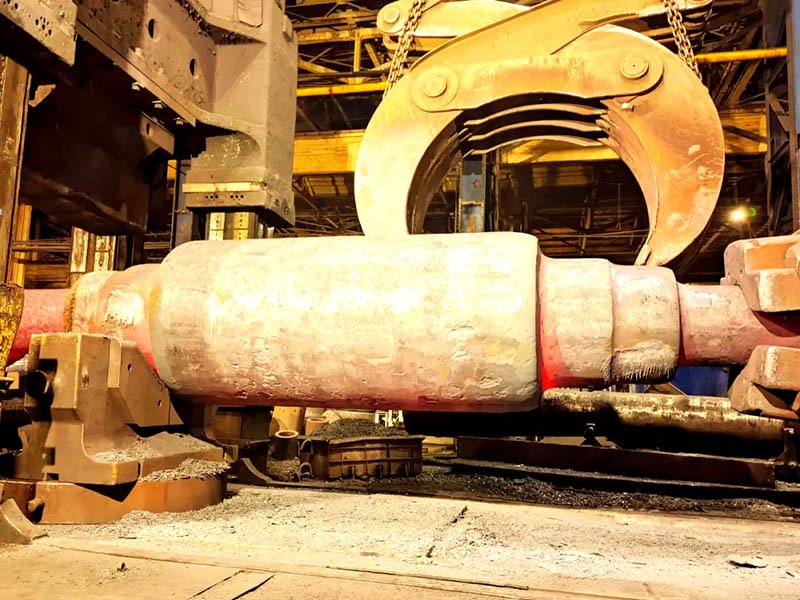
Large Forgings Manufacturing TIPTOP Global Supply
In the high-stakes world of heavy industry, component failure is not an option. As a premier China large forging manufacturer, TIP TOP Forging understands that the integrity of your machinery relies heavily on the quality of its core components. We specialize in the production of high-performance large forgings, combining decades of metallurgical expertise with state-of-the-art large forge capabilities. Whether you require large industrial forged rings or complex customized large forgings, our facility is engineered to deliver solutions that meet the most rigorous international standards.
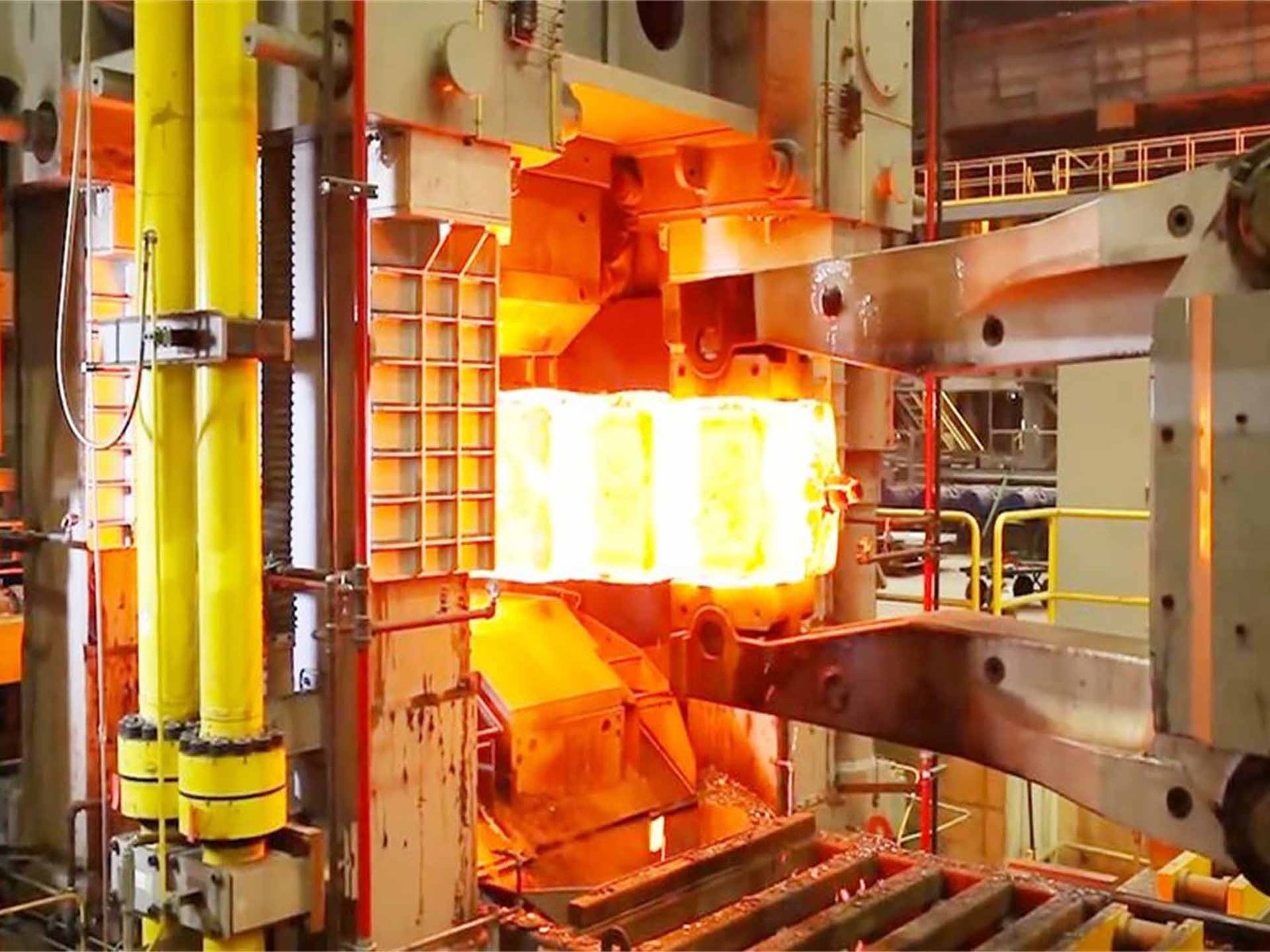
Open Die Forging and Closed Die Forging Explained
What is open die forging and closed die forging refers to two fundamentally different metal forming methods used to shape heated metal through compressive force. In open die forging and closed die forging, the key difference lies in whether the dies fully enclose the workpiece during deformation.
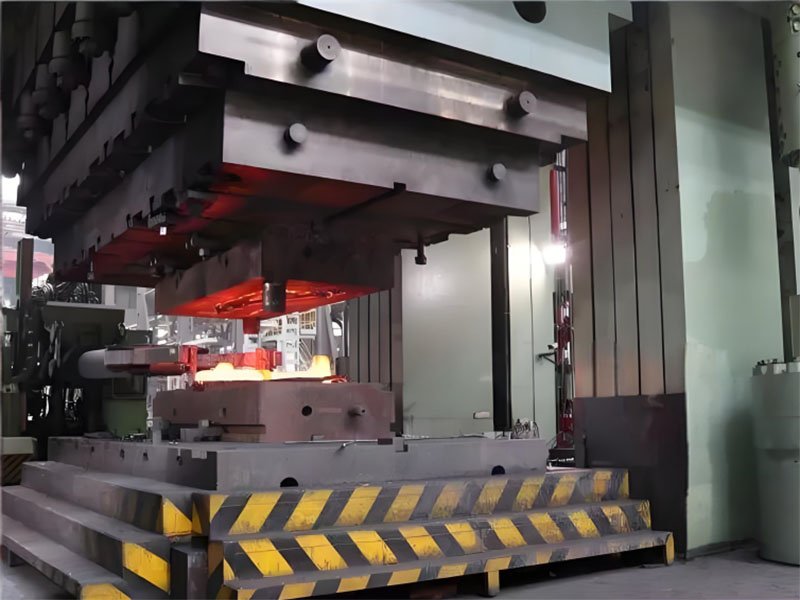
Open Die Forging for Large Forged Components
The open die forging process wherein large forgings are being manufactured hostess a manner where huge steel chunks or chunks are being pressed between flat or simple dies without encasing the material fully. This open configuration allows large sections to be deformed in a controlled manner and thereby making open die forging the most feasible method for producing oversized and heavy-duty forged components.
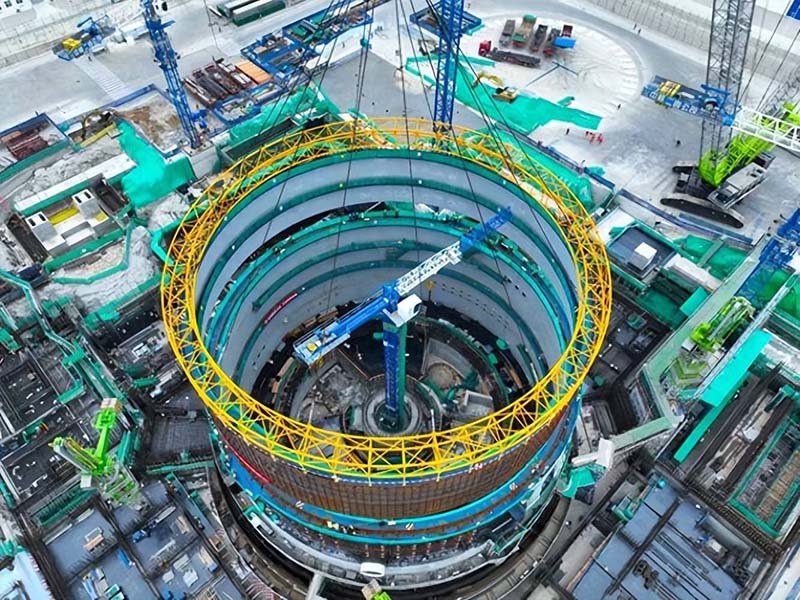
Nuclear Forgings Manufacturer for Reliable Power Generation
Nuclear power plants require components that can withstand high pressure, extreme temperature, and long-term radiation exposure. These challenges make nuclear forgings a preferred solution for pressure vessels, steam generators, reactor internals, turbine shafts, and other safety-critical parts.
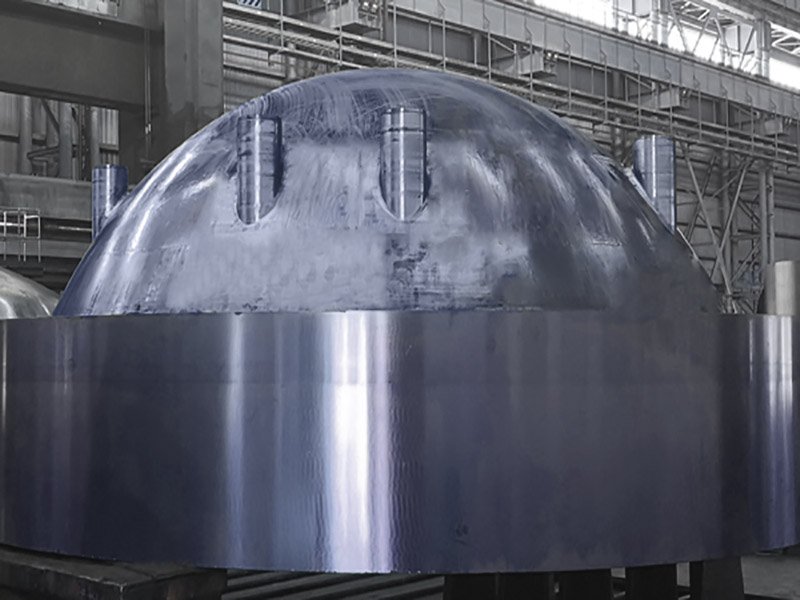
Nuclear Forgings for High-Safety Nuclear Power Applications
Nuclear forgings are critical components used in nuclear power equipment such as the Nuclear Reactor Vessel, Nuclear Reactor Steam Generator, and Nuclear Pressure Vessel. These parts operate in extreme pressure, temperature, and radiation environments, so the forgings must meet the highest standards of strength, toughness, and reliability.
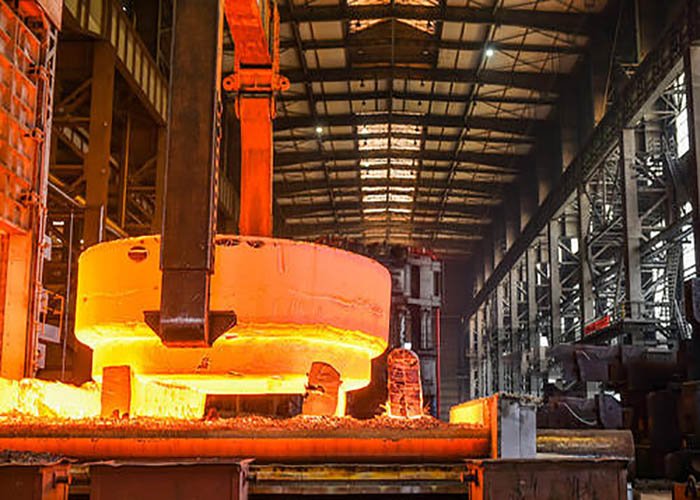
Unveiling the Secrets of Tempering Heat Treatment for Forgings
Temperature heat treatment, seemingly a rough process filled with fire and ice, is in fact an extremely precise science of materials. Through precise control of temperature and time parameters, it orchestrates a spectacular phase transition drama in the microscopic atomic world, ultimately endowing macroscopic forgings with exceptional vitality. The next time you witness those colossal machines operating steadily under immense pressure, you might recall that it is this balance between “quenching” and “tempering” that silently safeguards the backbone of modern industry
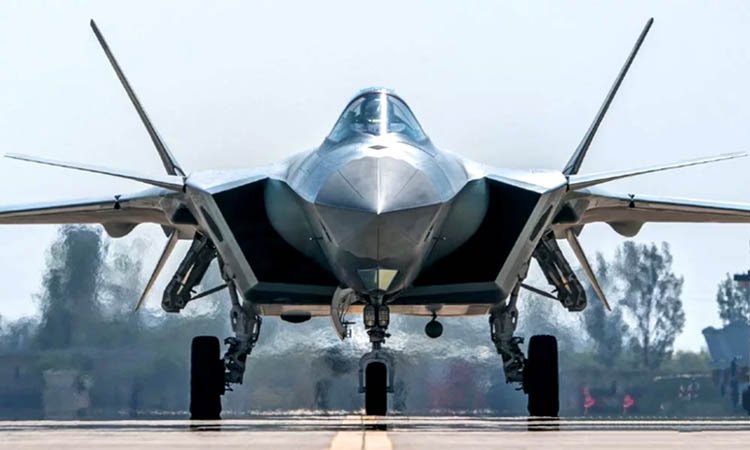
Aerospace Forging Market Solutions for Aircraft Components
The aerospace forging market is thriving as one of the main requirements is the aircraft manufacturers desire for lighter, safer and more durable components. Compared to cast or fabricated parts, aerospace forgings offer better grain flow alignment, structural integrity and resistance to fatigue over time – feature set necessary for example aircraft engines, landing gear and structural frameworks.
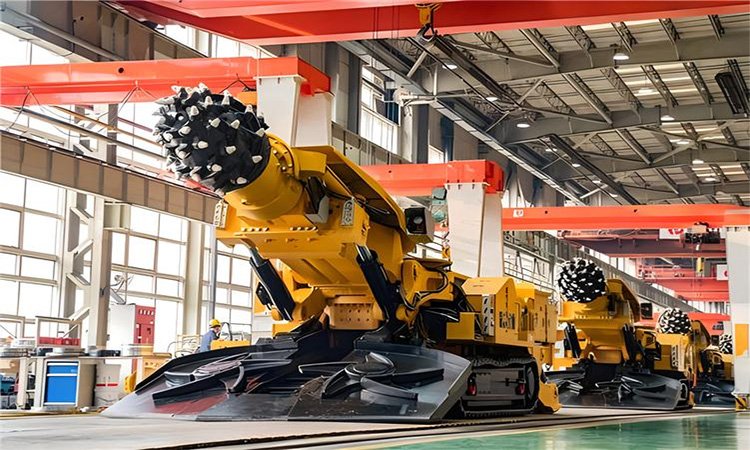
High-Performance Forged Components for Heavy-Duty Mining Operations
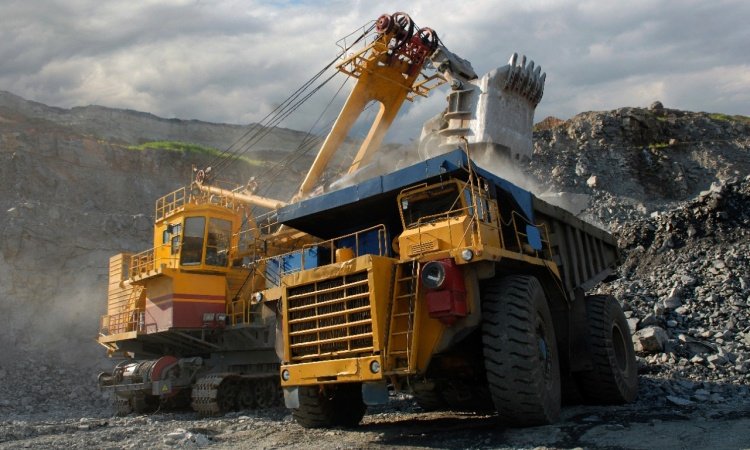
Mining operations depend on extreme durability, stable mechanical performance, and long service life from every component on-site. This is exactly why forge mining technologies — including open-die forging, closed-die forging, and ring rolling — remain the backbone of the global mining industry. From crushers and excavators to drilling systems and ore-handling equipment, forged parts offer unmatched reliability in high-impact and high-pressure environments.
Mining Forging Solutions
Mining operations rely on durable components that can withstand impact, abrasion, variable loading and long-term exposure to extreme working conditions. For this reason, mining forging technology plays a central role in the production of structural and power-transmission parts used in drilling, hauling, crushing and mineral processing equipment. Forged metals have higher density, refined grain structure and better mechanical integrity compared with cast or fabricated alternatives, making them a critical choice for demanding mining applications.
Aerospace Forgings
The aerospace industry relies heavily on forged metal parts because aircraft components operate under high load, temperature changes, vibration and long service cycles. Compared with cast or welded structures, aerospace forgings offer more reliable grain flow, higher fatigue strength and better metallurgical integrity. These advantages make forging the preferred process for engine, landing gear, structural and transmission parts across both commercial and military platforms.