
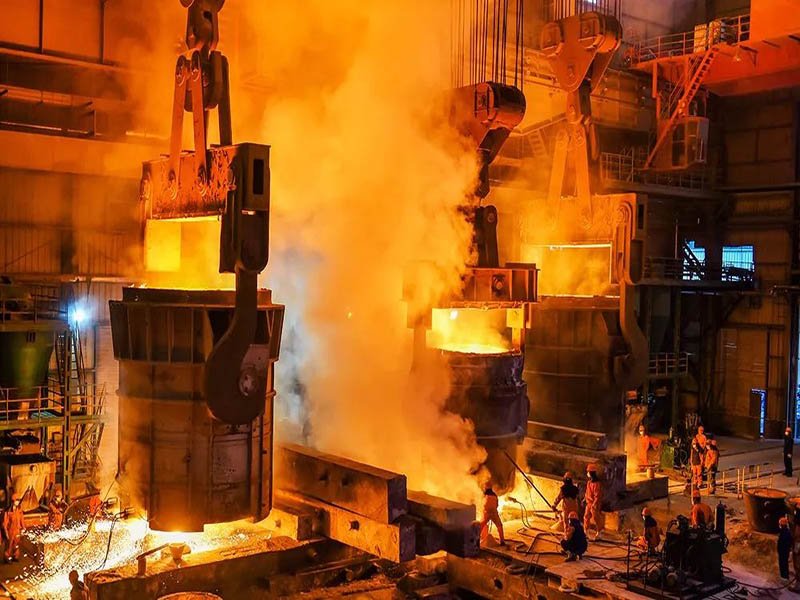
In heavy industry, standard components are often not enough. Load conditions, dimensional limits and material performance requirements vary from project to project. That is where custom forge manufacturing becomes necessary.
At TIPTOP Heavy Forging, we focus on producing custom forgings for structural and mechanical applications where strength, internal soundness and long-term reliability matter more than appearance or volume output.
This article explains how custom metal forging works, when custom steel forging is the right solution, and what customers should expect from a custom forged parts manufacturer.
What Is Custom Forge and How Custom Metal Forging Works
Custom forge production means shaping metal according to specific drawings or technical requirements rather than using standard dies or catalog dimensions.
Unlike casting, custom metal forging reshapes solid steel under controlled pressure. During deformation, the internal grain structure flows along the geometry of the part. This improves fatigue resistance and impact strength, particularly in load-bearing components.
The general process includes:
- Material selection
- Controlled heating
- Deformation using press or hammer
- Trimming and heat treatment
- Machining and inspection
In custom forged parts, controlling deformation and temperature is more important than speed. The objective is consistency, not mass production.
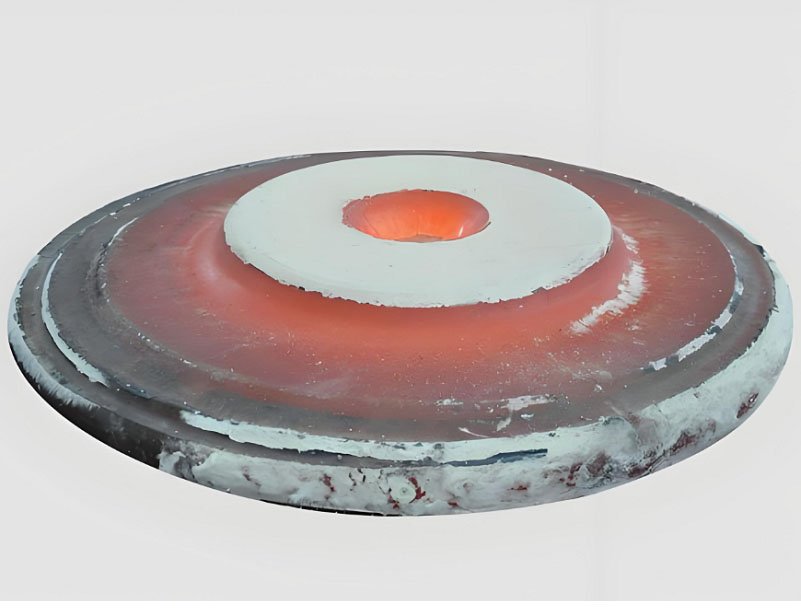
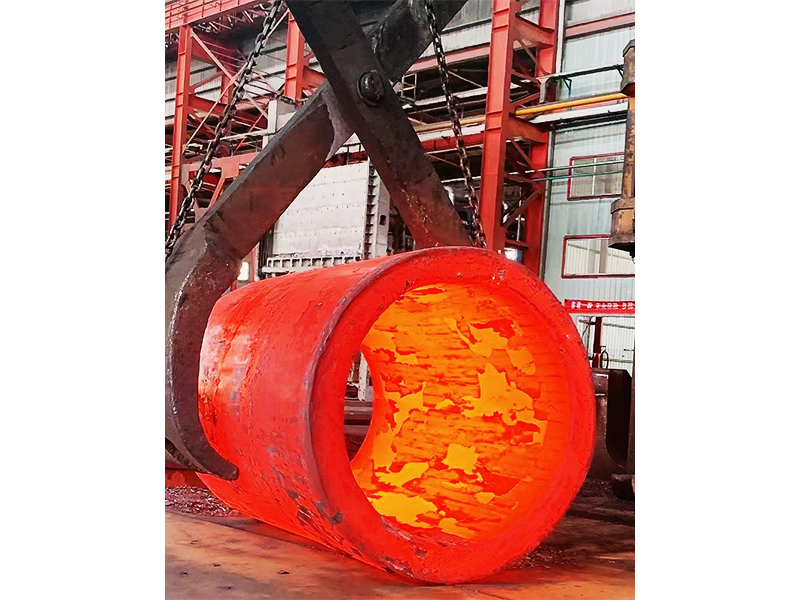
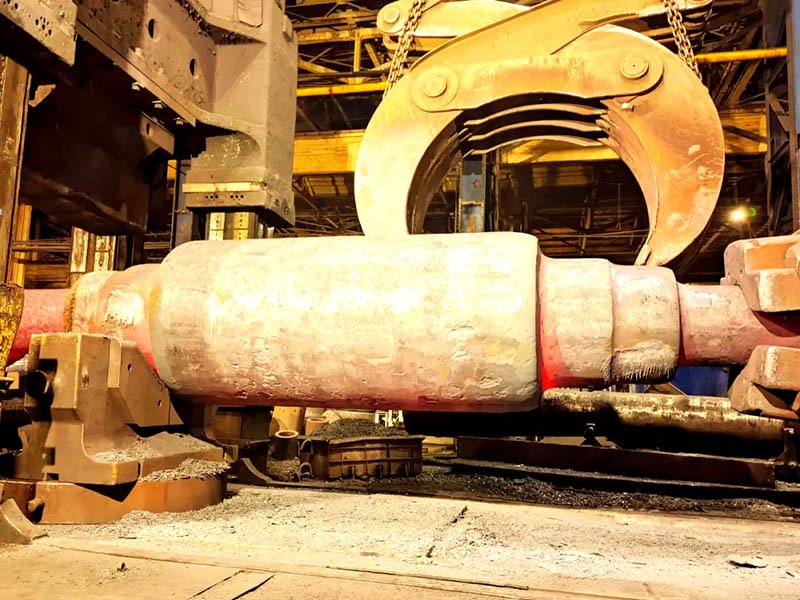
Custom Steel Forging for Load-Bearing Applications
Custom steel forging is commonly used in industries where components experience dynamic loads or continuous stress.
Typical applications include:
When parts are forged in steel rather than cast or welded, the grain flow follows the contour of the component. This structural continuity reduces the risk of internal defects and improves durability under repeated loading.
However, forging is not always the automatic solution. For low-stress parts or highly complex thin-wall shapes, alternative processes may be more economical. At TIPTOP Heavy Forging, feasibility is evaluated before recommending custom forging solutions.
Manufacturing Capability for Custom Forged Parts
As a custom forged parts manufacturer, production capability is defined by more than equipment size.
At TIPTOP Heavy Forging, our custom metal forging services include:
- Open-die forging for large sections
- Closed-die forging for shaped components
- Production of custom forged bars
- Heavy cross-section components
- Pre-machining support
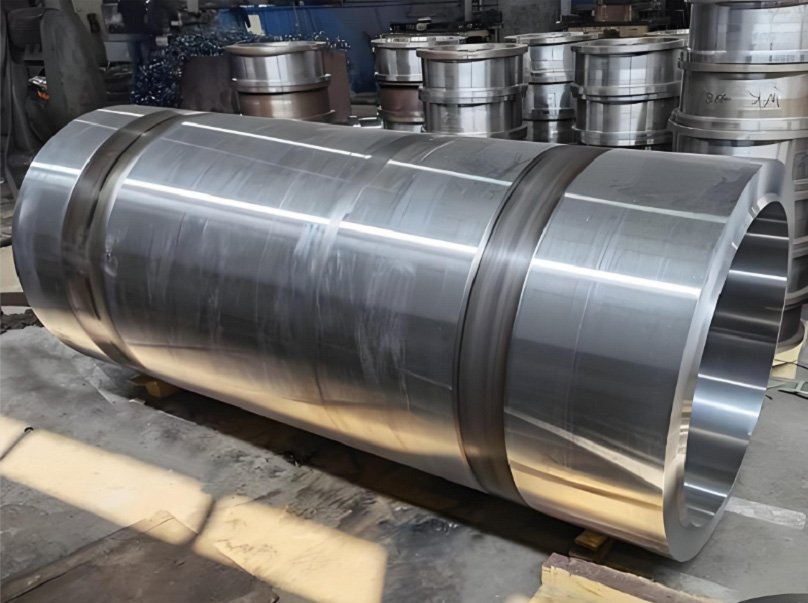
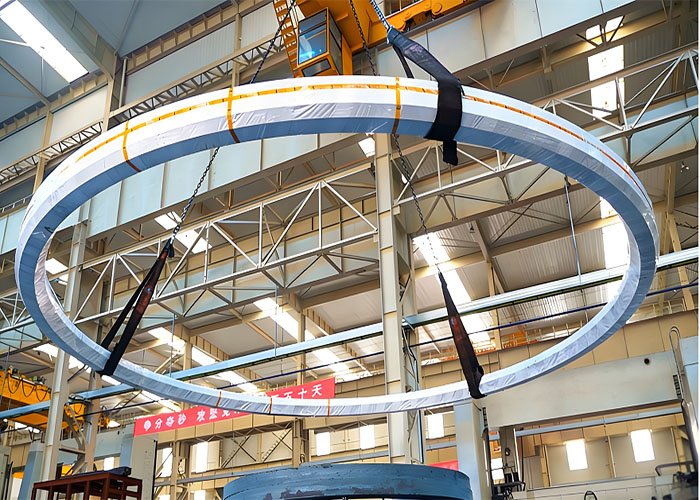
Open-die custom forge is typically used for large shafts, rings and thick structural pieces. Closed-die forging is more suitable for repeatable shaped components.
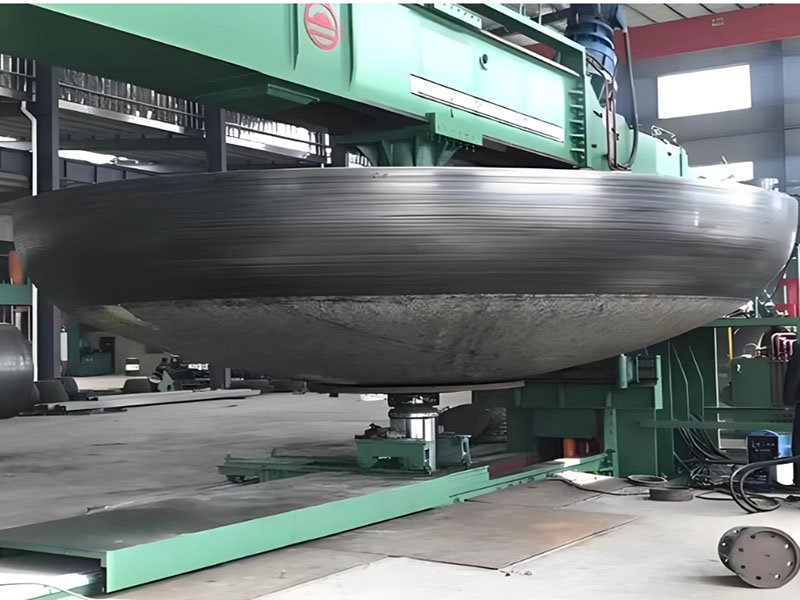
For projects requiring custom complex forged shapes, die design becomes critical. Proper material flow must be ensured to prevent laps or internal stress concentration.
Materials and Custom Material Forging Options
Custom material forging allows flexibility in alloy selection based on operating environment.
Common materials include:
- Carbon steel
- Alloy steel
- Stainless steel
- Specialized engineering alloys
Each material has its own forging temperature range and heat treatment requirements. Temperature control during forging directly influences final mechanical properties.
TIPTOP Heavy Forging maintains raw material traceability and conducts mechanical testing to confirm that custom forgings meet required specifications.
Quality Control in Custom Forge Production
Reliable custom forgings depend on process control rather than marketing claims.
In our production workflow, quality control includes:
- Verification of incoming material
- Monitoring forging temperature
- Controlled cooling or heat treatment
- Dimensional inspection
- Non-destructive testing when required
Consistency across batches is essential, especially for customers who rely on repeat production of custom forged components.
Custom Forging Solutions for Complex Industrial Needs
Many industrial assemblies require components that cannot be sourced from standard inventory.
Custom forging solutions are often selected when:
- Strength-to-weight ratio must be optimized
- Machining allowance needs reduction
- Weld joints should be minimized
- Structural reliability is critical
Custom forged bars and shaped components can reduce downstream machining and improve overall mechanical performance.
At TIPTOP Heavy Forging, we collaborate with customers during the design stage to determine whether custom steel forging provides measurable advantages over other manufacturing methods.
Conclusion: A Practical Approach to Custom Forge Manufacturing
Custom forge production plays an important role in heavy industry where mechanical integrity and dimensional accuracy are essential.
From custom forged bars to custom complex forged shapes, custom metal forging services offer improved grain structure, durability and structural reliability when properly executed.
TIPTOP Heavy Forging operates as a custom forged parts manufacturer focused on controlled processes, verified materials and realistic production planning. Our objective is to provide custom forging solutions that match actual engineering requirements, not exaggerated performance claims.
If your project requires custom steel forging support, our team can review drawings and recommend a practical manufacturing approach based on load, material and service conditions.