
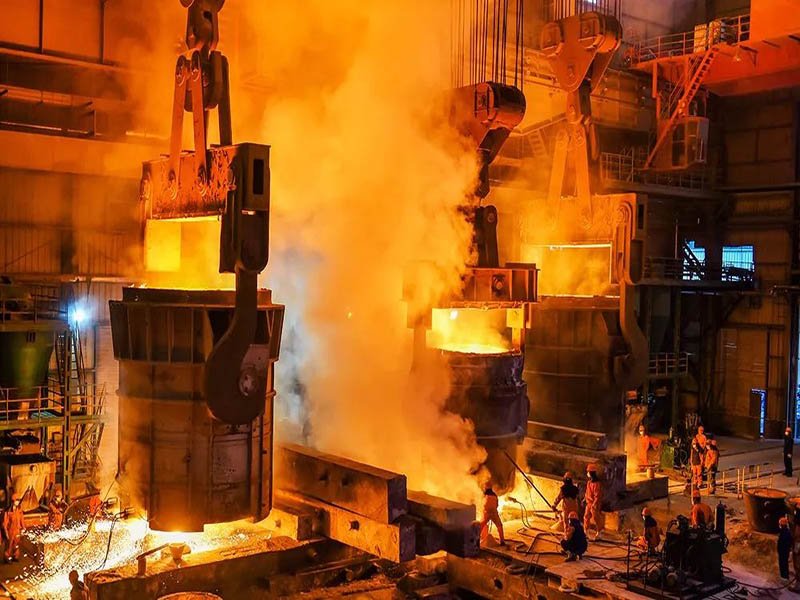
Custom Forge Services for Heavy Industrial Parts
In heavy industry, standard components are often not enough. Load conditions, dimensional limits and material performance requirements vary from project to project. That is where custom forge manufacturing becomes necessary.
At TIPTOP Heavy Forging, we focus on producing custom forgings for structural and mechanical applications where strength, internal soundness and long-term reliability matter more than appearance or volume output.
This article explains how custom metal forging works, when custom steel forging is the right solution, and what customers should expect from a custom forged parts manufacturer.
Hammer Forging Process: Industrial Equipment, Forging Hammer Types, and Reliable Manufacturing Solutions
The hammer forging process is an impact-based metal forming method widely used in heavy industry. By shaping heated steel through controlled blows, manufacturers can improve internal structure and mechanical strength compared with non-forged alternatives.
Hammer Forgings: Custom Hammer Forged Parts and Industrial Metal Hammer Forging Capabilities
Hammer forgings are widely used in heavy-duty industries where structural strength and material reliability are critical. Compared with casting or simple machining, the hammer forging process reshapes heated metal through controlled impact, improving internal structure and load performance.
Hammer Forge: Power Hammer Forging Technology and Industrial Applications
The hammer forge process shapes heated metal using repeated high-energy impacts delivered by a forging hammer machine. Unlike press forging, which applies continuous pressure, hammer forging relies on dynamic impact force to deform the material.
In power hammer forging, the ram is accelerated mechanically, pneumatically, or hydraulically before striking the workpiece. The high strain rate improves grain flow and refines microstructure, especially in alloy steel components.
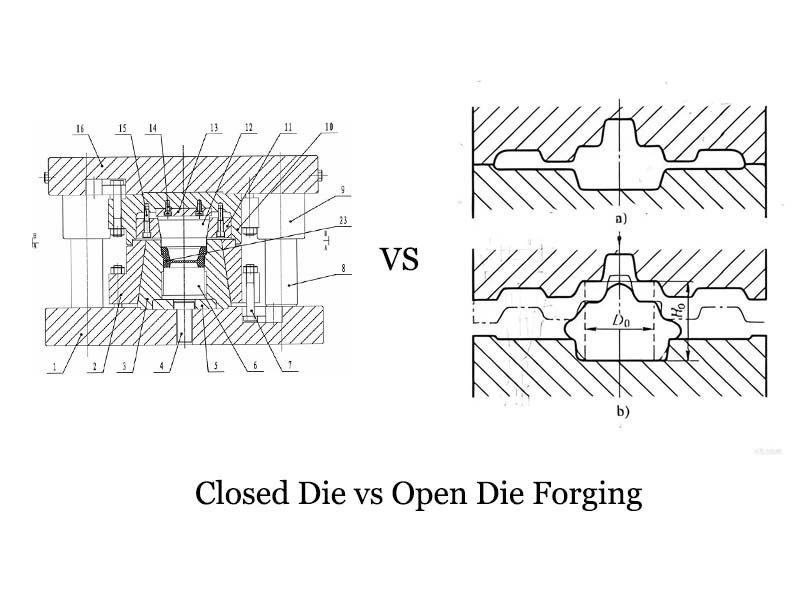
Closed Die vs Open Die Forging: How to Choose the Right Forging Method
In industrial manufacturing, the comparison between closed die vs open die forging is rarely theoretical. It usually starts with a real question: Can this part meet performance and tolerance requirements without unnecessary cost or risk? Understanding how these two forging methods behave in actual production environments is essential for making the right technical and commercial decision.
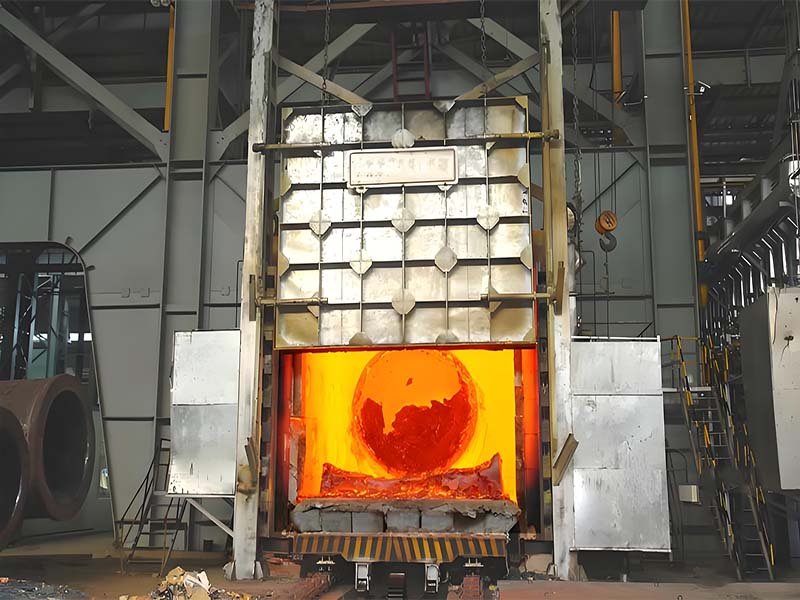
Closed Die Forging: Process, Advantages, Presses and Applications
Closeddie forging—also known as impression die forging—is a highly productive metal shaping process in which heated metal is worked inside the closed dies to manufacture parts of a definite shape and having good mechanical properties. By forging metal inside a pre-planned die cavity, closed die forging provides a means for producing parts near-net or net-shape with higher strength, better repeatability, and greater dimensional accuracy. As such, the process is a good fit for parts that must perform reliably and be safe.

Forging Manufacturing Process for Heavy-Duty Industrial Components
In heavy industrial fields, the forging manufacturing process is not chosen for convenience. It is selected because the component must survive real working conditions—continuous load, repeated stress, and long service cycles. Whether the part is used in oil and gas equipment, mining machinery, or power transmission systems, forging remains one of the most reliable manufacturing routes.
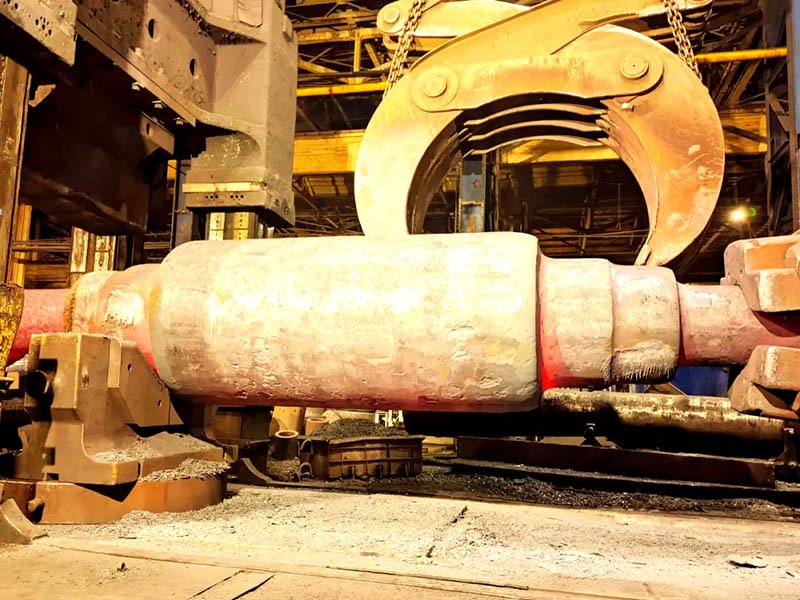
Large Forgings Manufacturing TIPTOP Global Supply
In the high-stakes world of heavy industry, component failure is not an option. As a premier China large forging manufacturer, TIP TOP Forging understands that the integrity of your machinery relies heavily on the quality of its core components. We specialize in the production of high-performance large forgings, combining decades of metallurgical expertise with state-of-the-art large forge capabilities. Whether you require large industrial forged rings or complex customized large forgings, our facility is engineered to deliver solutions that meet the most rigorous international standards.
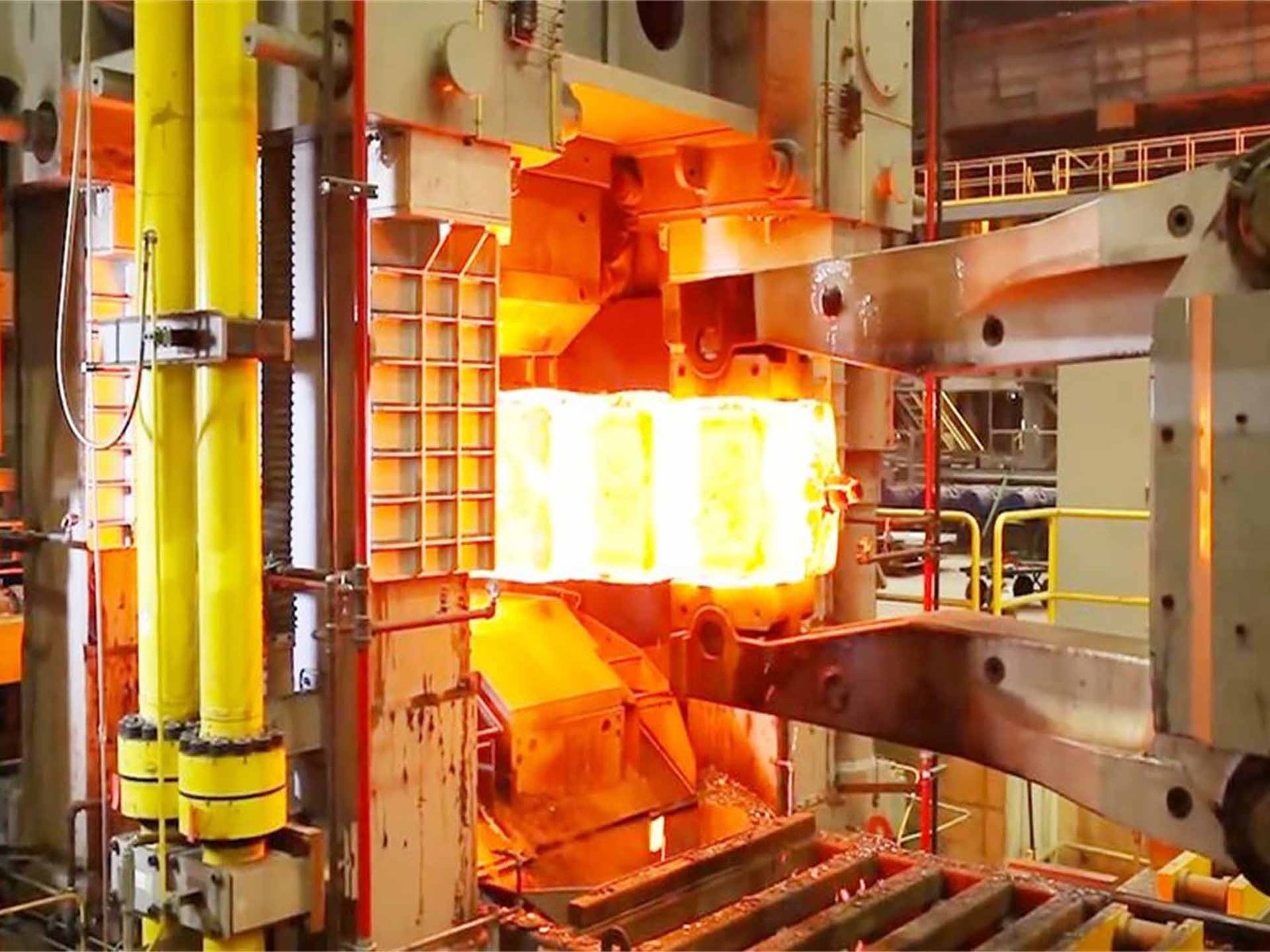
Open Die Forging and Closed Die Forging Explained
What is open die forging and closed die forging refers to two fundamentally different metal forming methods used to shape heated metal through compressive force. In open die forging and closed die forging, the key difference lies in whether the dies fully enclose the workpiece during deformation.
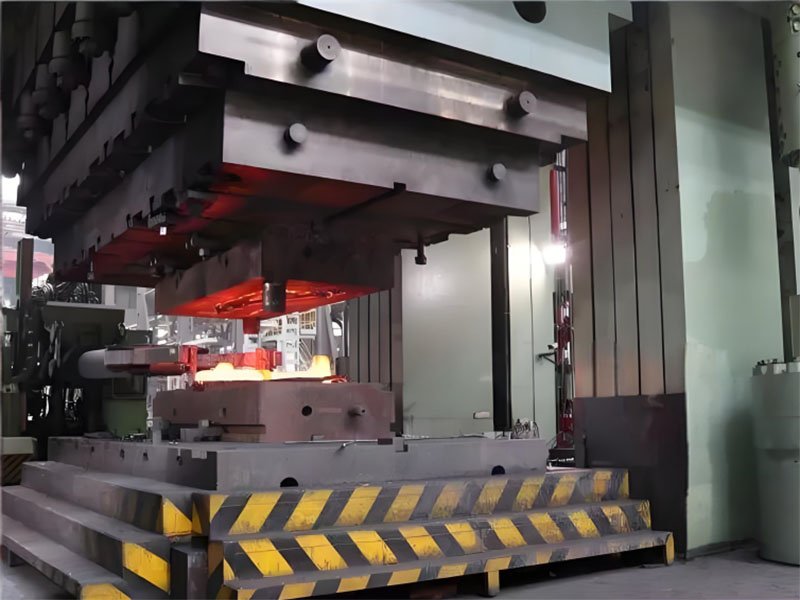
Open Die Forging for Large Forged Components
The open die forging process wherein large forgings are being manufactured hostess a manner where huge steel chunks or chunks are being pressed between flat or simple dies without encasing the material fully. This open configuration allows large sections to be deformed in a controlled manner and thereby making open die forging the most feasible method for producing oversized and heavy-duty forged components.
- 1
- 2